
NEWS
Beyond Politics: Understanding Governor Umo Eno’s Statement in ONNA and Protecting Our History

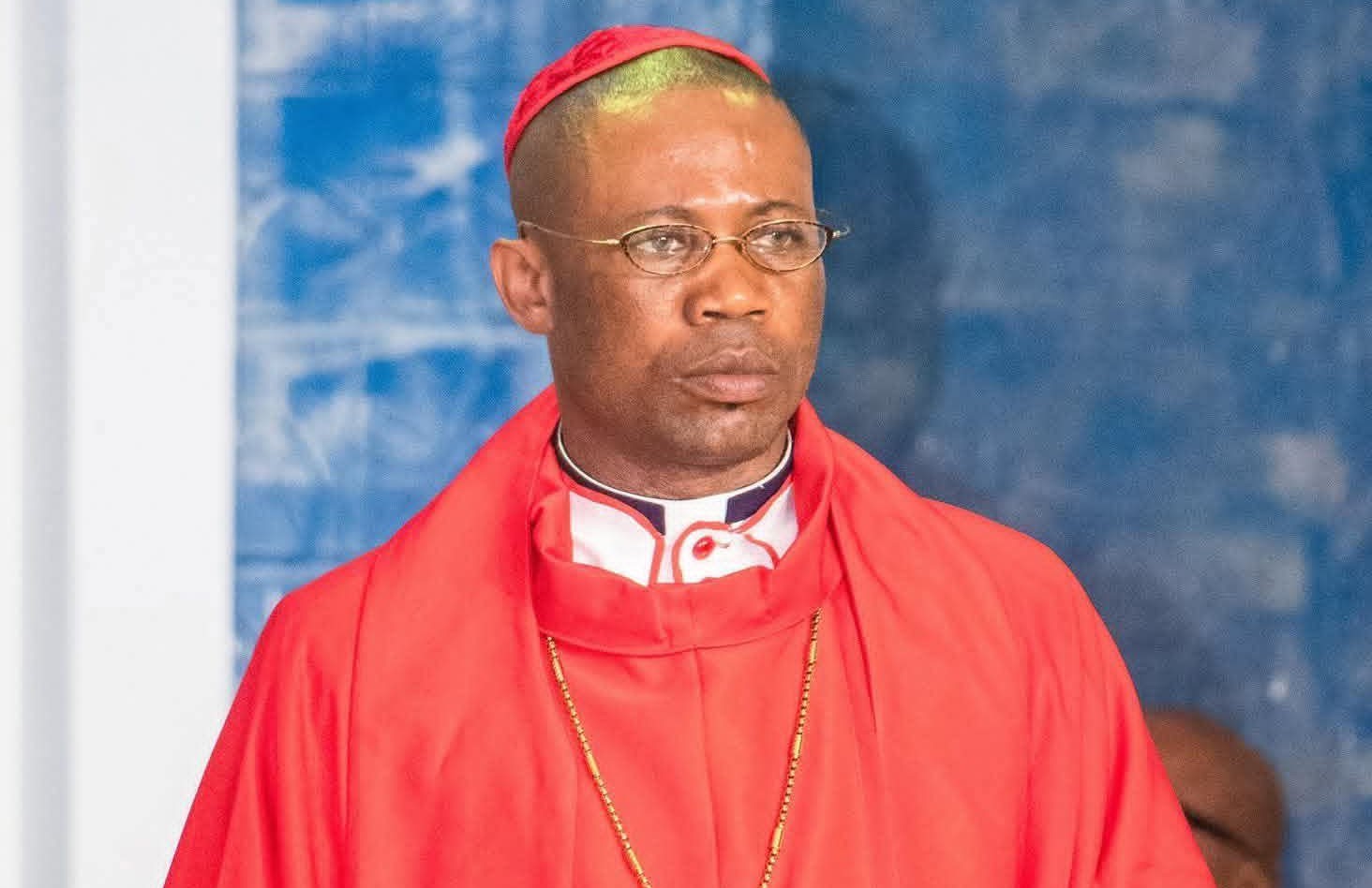
Beyond Politics: Understanding Governor Umo Eno’s Statement in ONNA and Protecting Our History
By Bishop David Udonsek
During the commissioning of the 14.8km internal road network and 1.9km of discharge drains in Awa, Onna Local Government Area, an important conversation emerged regarding some of the industrial projects associated with the administration of former Governor, His Excellency Pastor Udom Emmanuel.
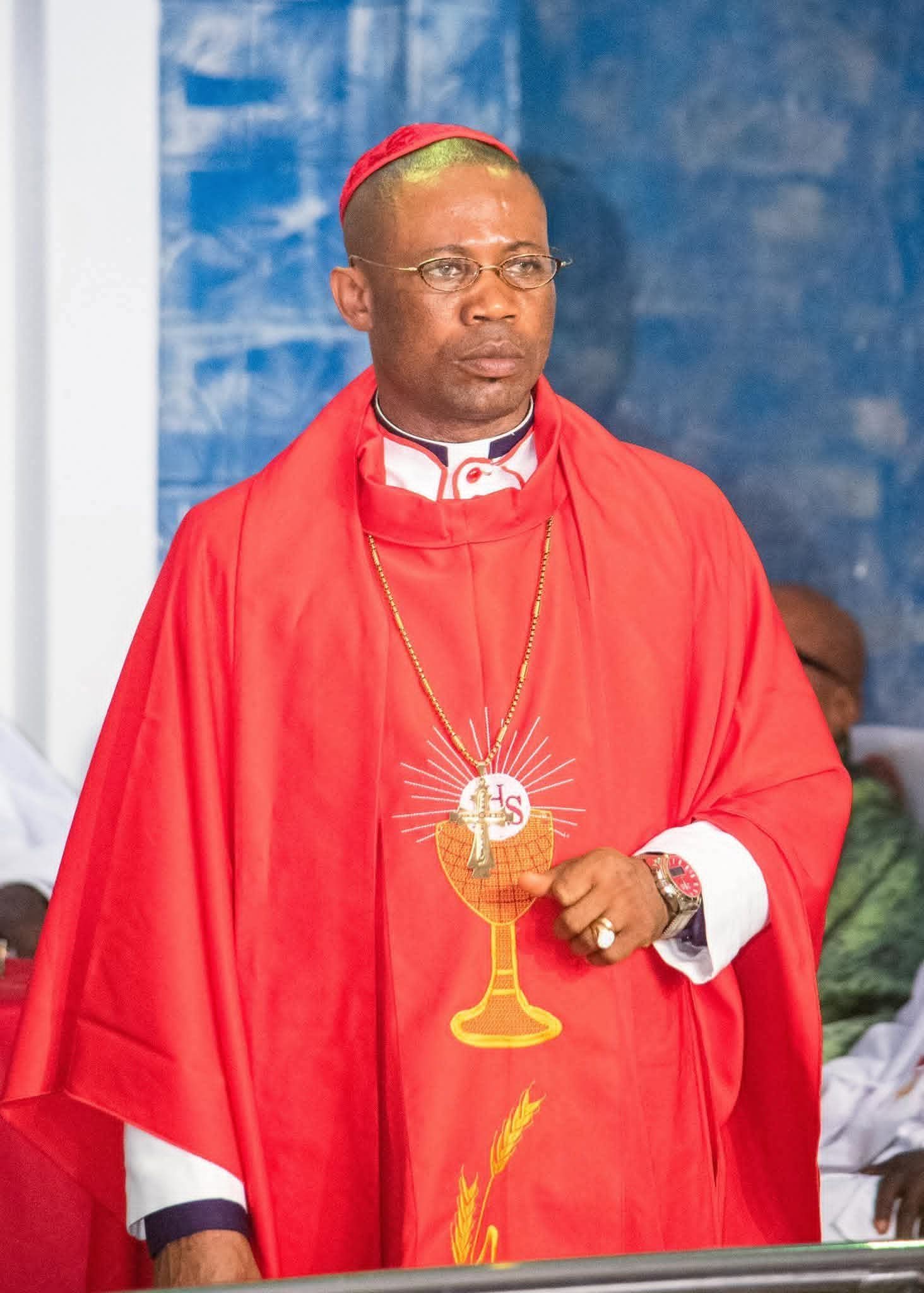
Bishop David Udonsek
During the event, our Paramount Ruler, HRM Edidem Raymond Timothy Inyang, appealed to the present administration to support the rehabilitation and revival of some of these facilities, including the syringe manufacturing company and the flour mill.
In his response, Governor Pastor Umo Eno explained the government’s position regarding private investments and the level of involvement government can have in supporting such enterprises.
However, it is important that this statement is understood within its proper context.
The Governor’s remarks should not be interpreted as an accusation against the former Governor. The issue being discussed was the relationship between government and privately operated investments, as well as the processes required for government intervention or support.
There is a clear difference between explaining the responsibilities of government in relation to private businesses and alleging that a former public office holder personally used public funds to establish private companies for personal benefit.
Available accounts of the Udom Emmanuel administration describe its industrialisation agenda as one focused on attracting investments and developing industrial facilities, including projects such as Kings Flour Mill and Jubilee Syringe Factory.
Therefore, it is important that political interpretations do not overshadow the actual substance of the conversation. A statement about how government engages with private investors should not automatically become a political accusation against a previous administration.
As a people, we must understand that political seasons will come and go, but the records of our collective achievements will remain.
If there are genuine concerns about any project, investment arrangement, contract, ownership structure, or public expenditure, such matters should be examined openly and honestly.
Questions are necessary in a democratic society, but they must be guided by facts, evidence, and proper documentation.
What we should avoid is the deliberate distortion of statements or the creation of accusations that were never made simply because of political differences.
Many individuals who now discuss the activities of past administrations were present during those periods. Some participated directly or indirectly in government affairs. If concerns existed at the time, there were opportunities to raise them through the appropriate channels.
History will eventually judge everyone, not only those who held public office, but also those who documented and interpreted their actions.
It is also important to acknowledge the value of continuity in governance. The commissioning of the Awa road network itself reflects the importance of completing projects that serve the people, regardless of when they were initiated. Kudos to Governor Umo Eno.
Development should not be viewed only through the lens of political ownership. Every administration contributes to the growth of society, and every leader has a responsibility to build upon the foundations they inherit while introducing their own ideas and achievements.
The people of ONNA do not need to diminish the contributions of one of their own sons in order to support another administration. Likewise, acknowledging previous achievements does not prevent citizens from demanding accountability where necessary.
We can appreciate what was accomplished in the past, recognize ongoing efforts today, and still maintain the responsibility to ask questions when questions are justified.
Therefore, let us be careful with our words. Let us seek the truth where clarification is needed. Let us correct misinformation when it arises.
But above all, let us avoid destroying the reputation of our own people for political reasons
And when future generations ask what truly happened during our time, we must leave behind a record that is fair, truthful, and worthy of our community.
Facts should always speak louder than politics.