
COLUMNIST
Akwa Ibom as a Medical Tourism Haven: How Ibom International Hospital Was Designed to Outlive Politics and Transform Healthcare

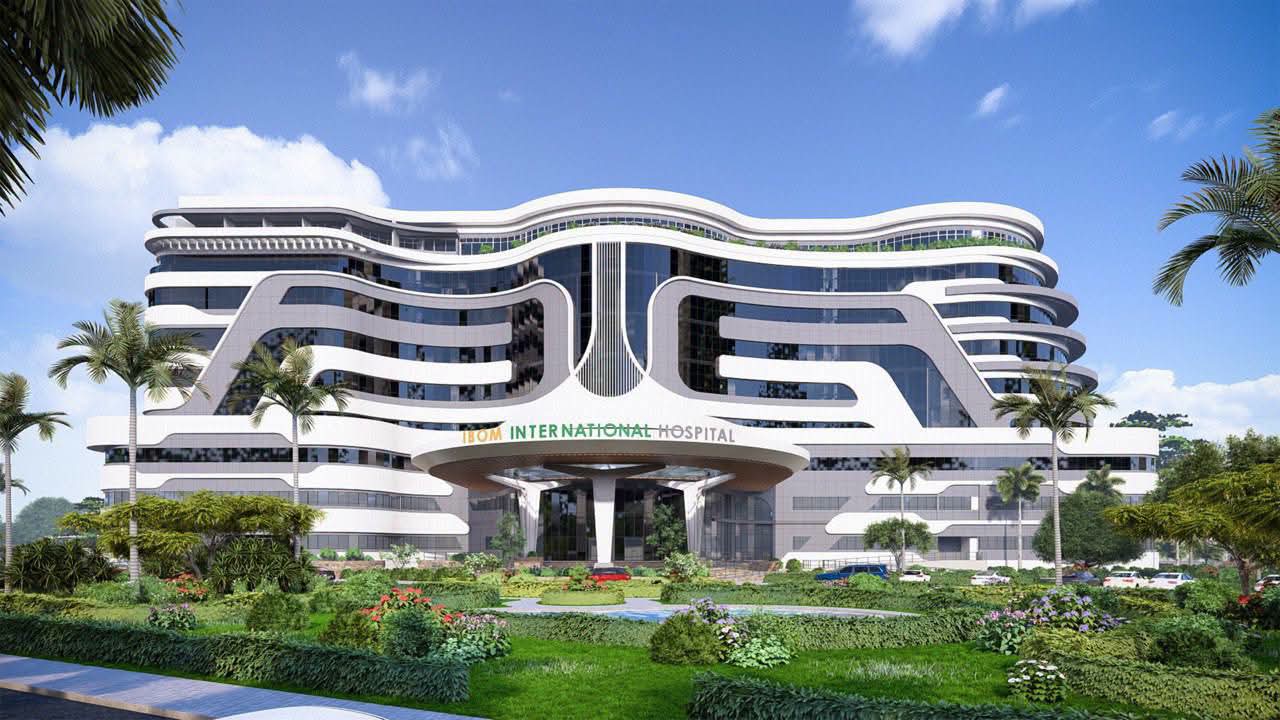
Akwa Ibom as a Medical Tourism Haven: How Ibom International Hospital Was Designed to Outlive Politics and Transform Healthcare
By Itoro Etti
For years, thousands of Nigerians have boarded flights to India, Turkey, the United Kingdom, Germany and other countries in search of specialised medical care. What was once the preserve of the wealthy has become a necessity for many middle-class families and even rural communities, where relatives often contribute money to fund life-saving treatments abroad.
Governor Umo Eno believes that the narrative can change.
For the state chief executive, Pastor Umo Eno, he believes that the narrative of foreign medical tourism can be reduced if not completely stopped. At the heart of that ambition is the Ibom International Hospital (IIH), a landmark healthcare investment envisioned not merely as another tertiary medical facility, but as a destination capable of attracting patients from across Nigeria and Africa while positioning the state as a hub for medical tourism.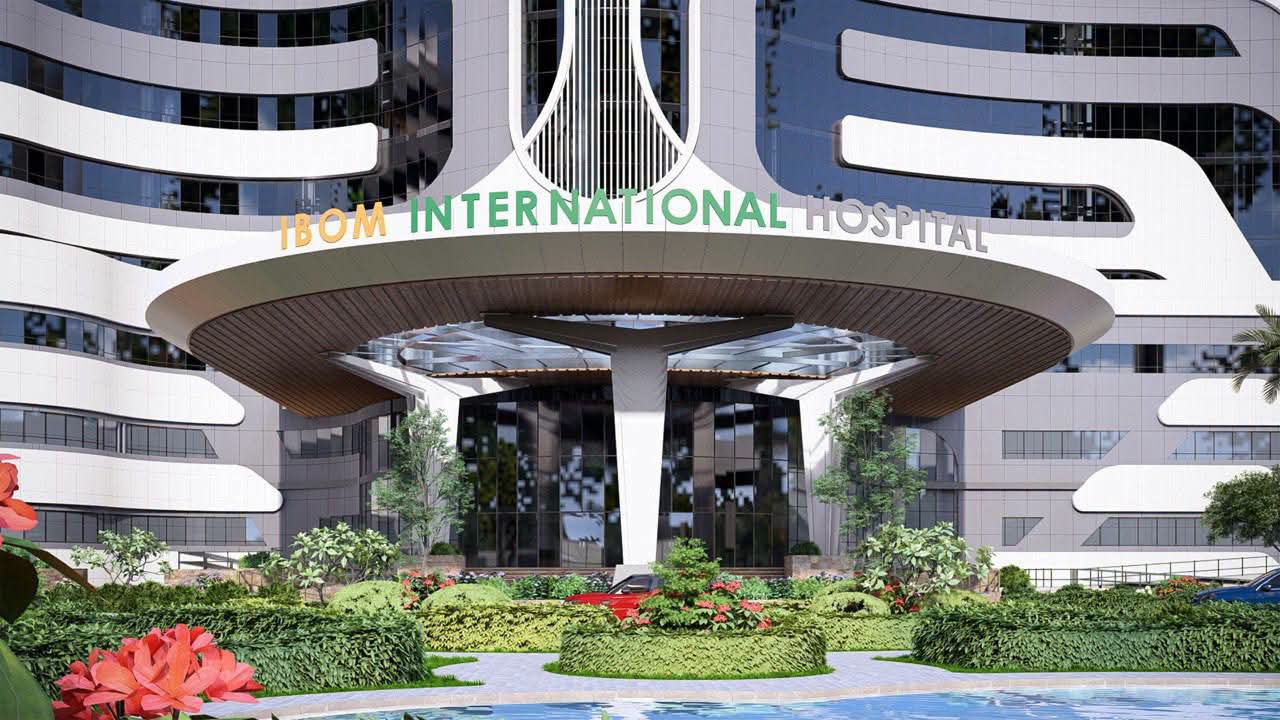
Unlike many public infrastructure projects that focus primarily on physical structures, the IIH was conceived with a long-term vision of sustainability. From its earliest planning stages, emphasis was placed on ensuring that the hospital would remain operational, financially viable and clinically relevant long after its commissioning.
The project grew from a broader vision of reversing the steady flow of Nigerians seeking treatment overseas. Rather than allowing foreign countries to continue benefiting from billions of naira spent annually on foreign healthcare; the goal became creating a world-class institution that could offer advanced medical services closer to the people and made to work for the people.
Central to that vision is comprehensive cancer care.
Recognising the growing burden of oncology cases in Nigeria, the state Governor, Pastor Umo Eno and his team of experts, led by the very impressive Dr Ekem Emmanuel John identified cancer treatment as one of the hospital’s flagship services. But they also understood that effective cancer management requires much more than oncology alone. Patients often need multidisciplinary care involving surgery, cardiology, nephrology, radiology, intensive care and numerous other specialties.
That understanding informed the decision to develop a fully integrated 350-bed tertiary hospital, equipped with advanced medical technology capable of supporting a wide range of specialised healthcare services under one roof.
The planning process treated the facility as an investment rather than simply a government construction project. Before approval, detailed business models were developed to answer critical questions about long-term sustainability. Every major piece of equipment was assessed for operational viability, while projections examined how the hospital could generate sufficient revenue to maintain world-class standards without relying indefinitely on government funding.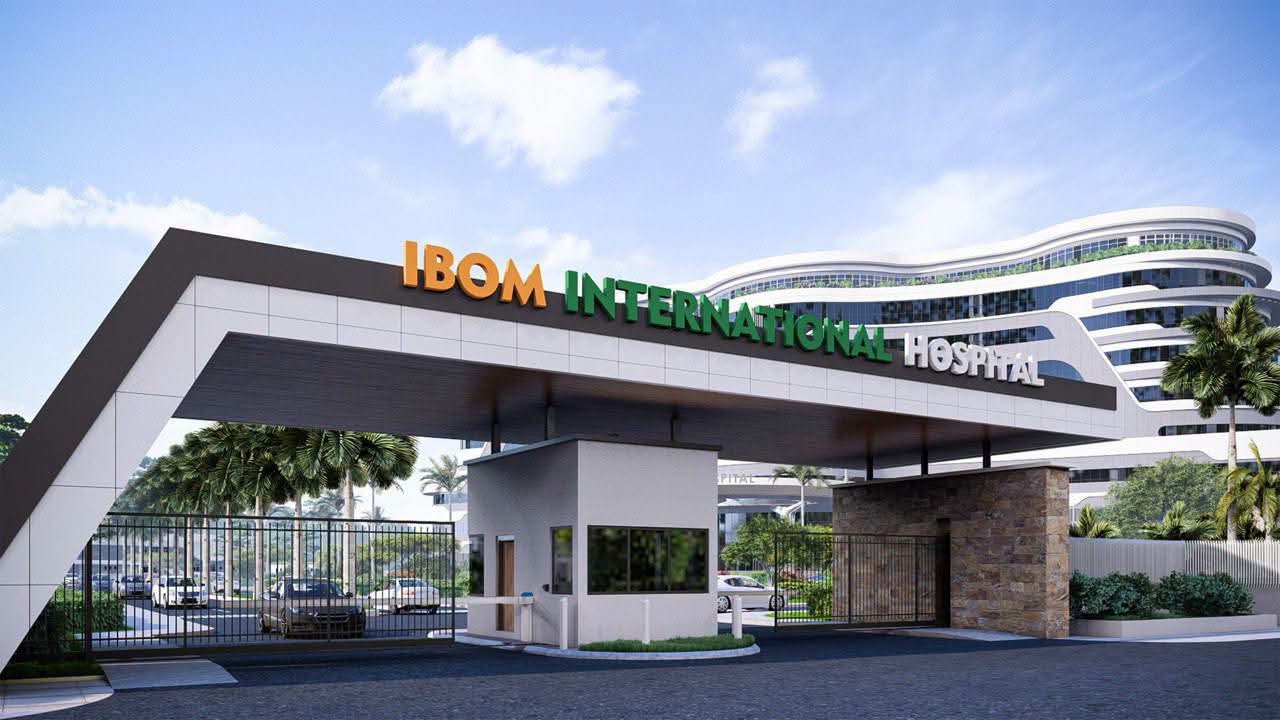
This rigorous planning reflected the belief that quality healthcare can only endure when supported by sound financial management.
The hospital’s development also involved extensive consultations with healthcare professionals across Akwa Ibom. Doctors, nurses, physiotherapists and other stakeholders were engaged to evaluate the concept, ensuring that the project responded to genuine healthcare needs and complemented existing medical institutions.
Even the architecture tells a story of sustainability.
The building was designed with environmental efficiency in mind, including structural features that reduce direct exposure to heat from the rising sun. Such design choices are intended to minimise energy consumption while creating a more comfortable healing environment for patients.
Beyond treating illnesses, the Ibom International Hospital is expected to stimulate economic activity by attracting patients, specialists, investors and healthcare partnerships into Akwa Ibom. Hotels, transportation services, hospitality businesses and other sectors stand to benefit from increased visitor traffic associated with medical tourism.
If successful, the hospital could become far more than a healthcare institution. It could redefine Akwa Ibom’s place on Africa’s healthcare map, transforming the state into a destination where quality medical care keeps Nigerians at home, attracts patients from beyond its borders and demonstrates that public healthcare infrastructure can be both world-class and sustainable.
In pursuing that vision, the Ibom International Hospital represents more than a new building. It is an ambitious attempt to prove that with careful planning, financial discipline and long-term thinking, Akwa Ibom and by extension Nigeria can build healthcare institutions that not only outlive political administrations but also compete with the world’s leading medical destinations.
Itoro Etti
Esit Urua, Eket LGA