NEWS
NUJ Trains Journalists on Effective Crime, Court Reporting, Media Role in Justice Administration

NUJ Trains Journalists on Effective Crime, Court Reporting, Media Role in Justice Administration
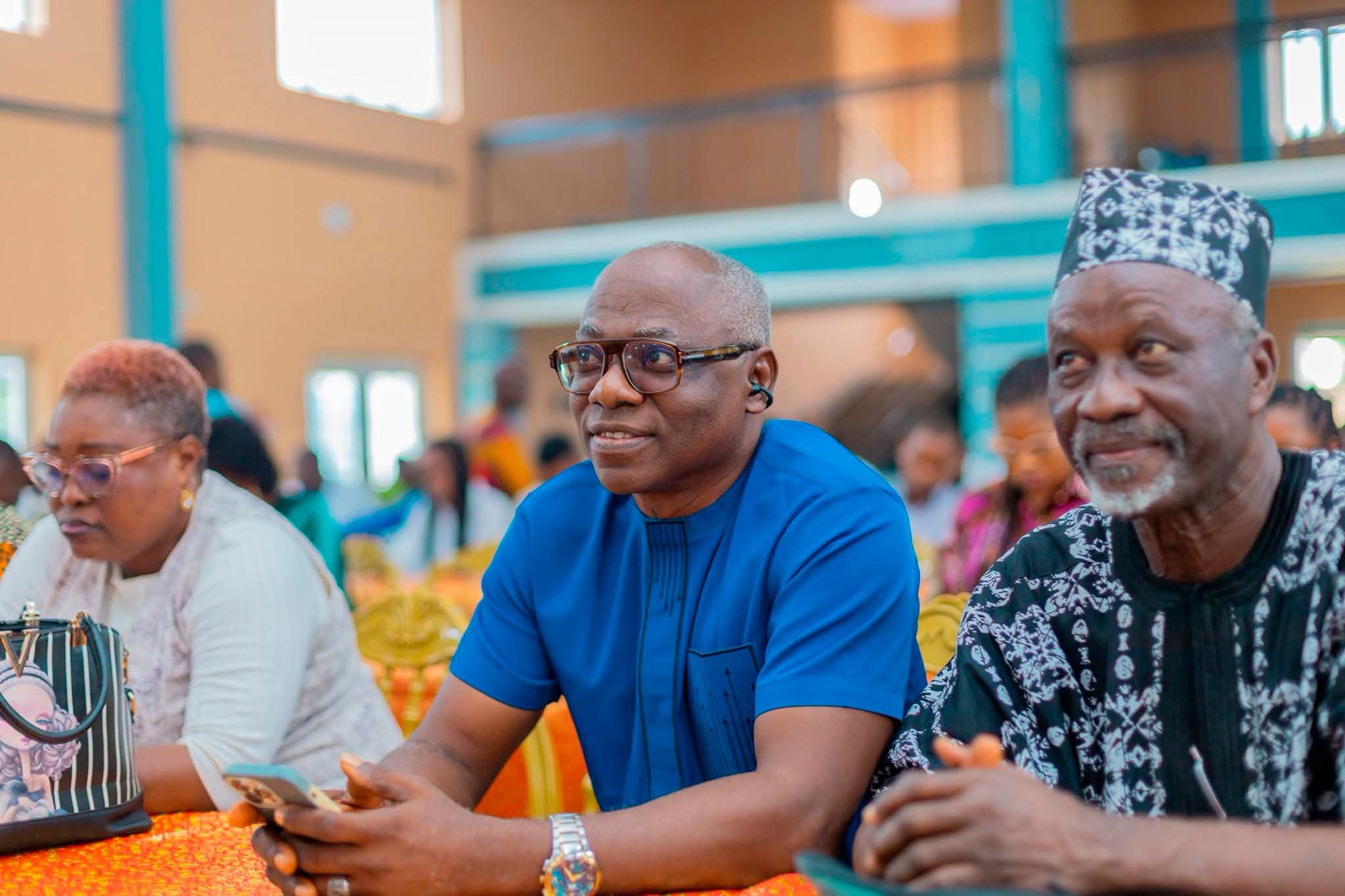
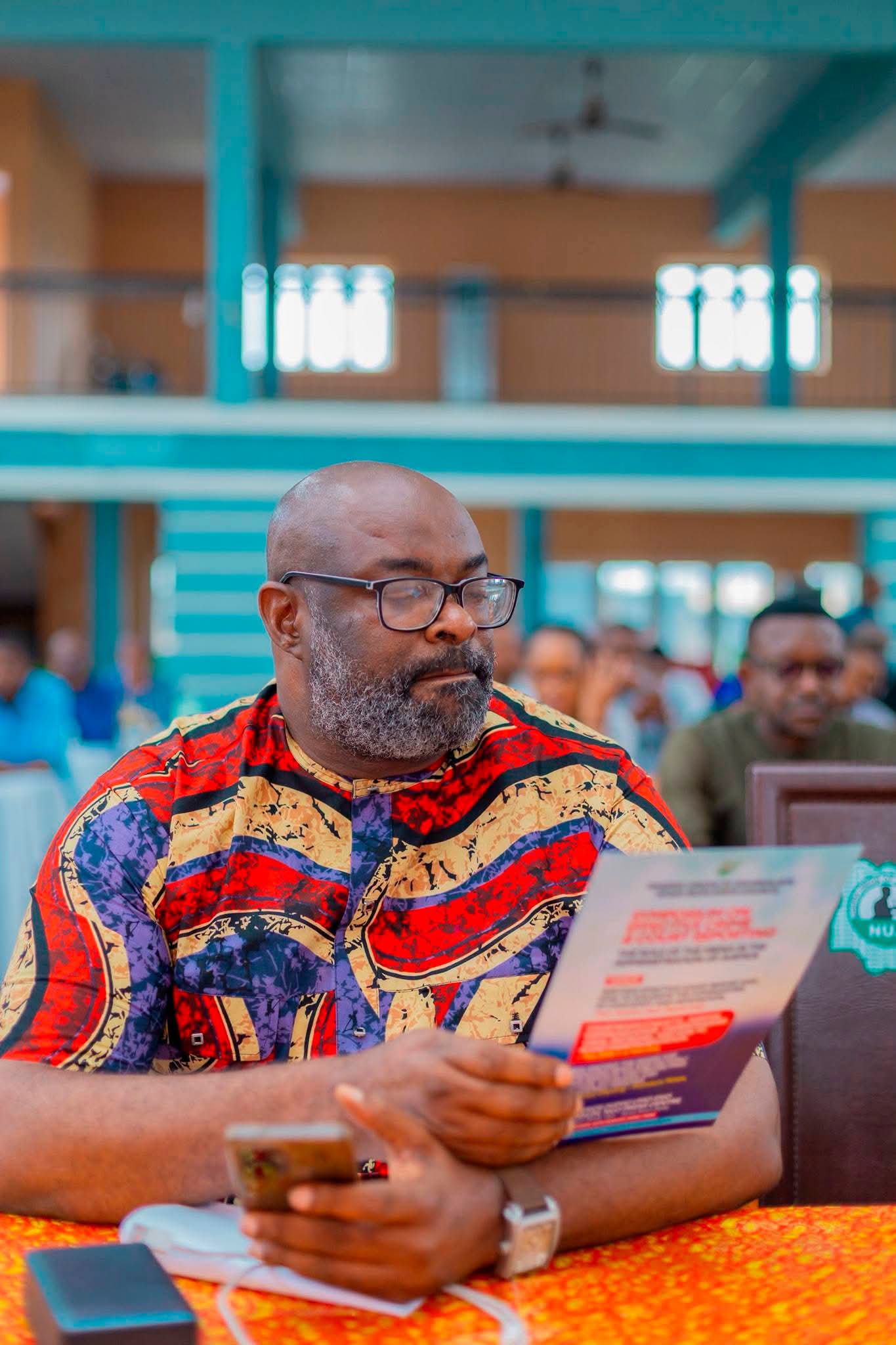
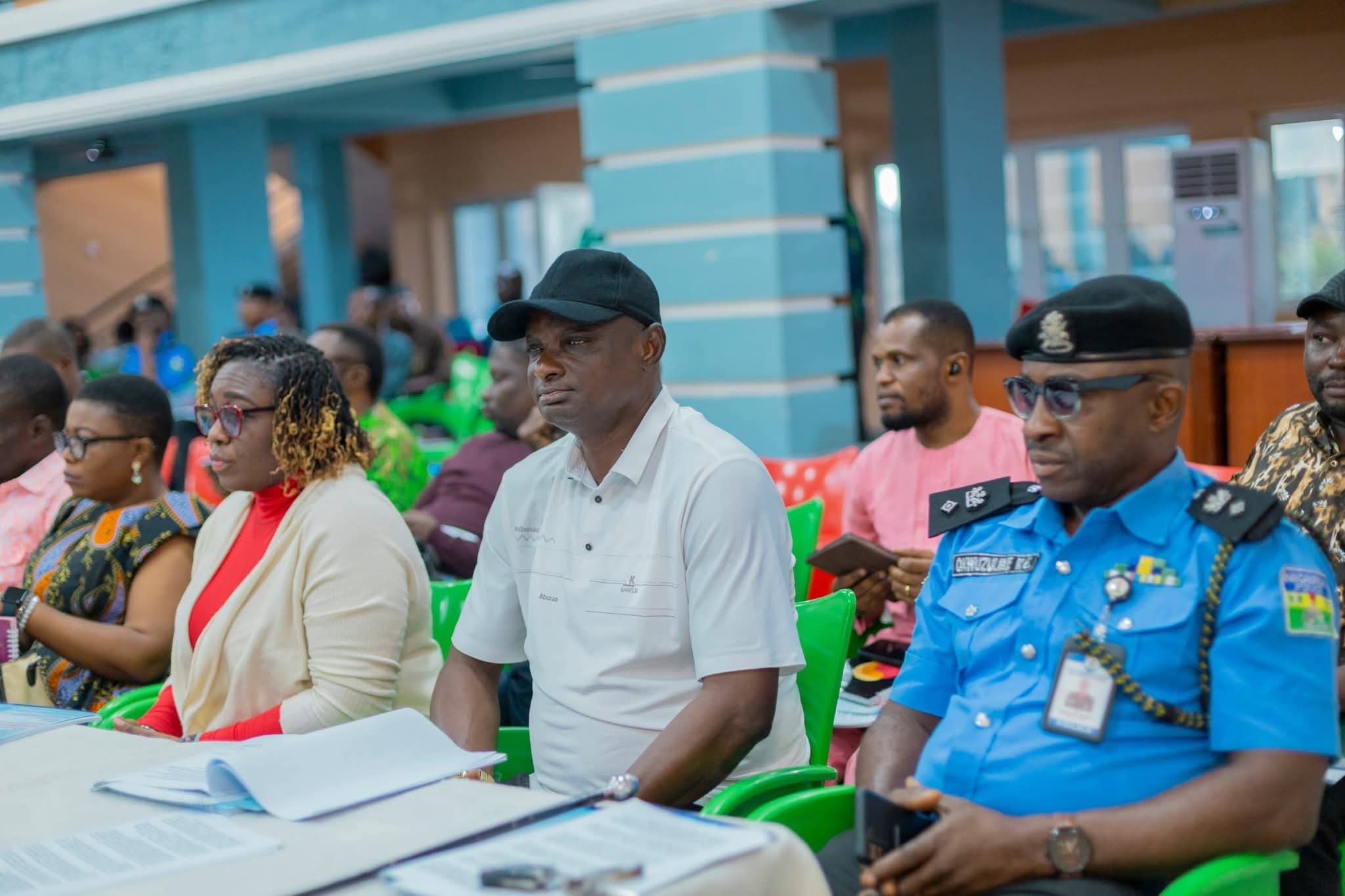
Nigeria Union of Journalists (NUJ), Akwa Ibom State Council, has organised a training on “Effective Crime and Court Reporting: The Role of the Media in the Administration of Justice,” aimed at strengthening journalists’ capacity to report crime and court proceedings accurately.
State Chairman of the union, Comrade Nsibiet John, stressed the importance of continuous professional development for journalists, particularly in specialised areas such as crime and court reporting.
He noted that the nature of crime and court reporting requires journalists to possess adequate knowledge of legal procedures, verification and ethical standards, given the consequences that inaccurate reports can have on individuals, institutions and the administration of justice.
Chairman of the occasion and Vice Chancellor of the University of Uyo. Prof. Christopher Ekong commended the union for insightful leadership and emphasized the importance of collaboration among the media, security agencies and other stakeholders in ensuring accurate and responsible reporting.
Prof Ekong explained that effective crime and court reporting requires journalists to understand that information obtained from security agencies may not necessarily be the same as what eventually emerges during court proceedings.
The speaker, who noted his experience attending court proceedings, urged journalists to focus on the specific case before the court and provide the appropriate legal context rather than merely reproducing claims made by security agencies or other sources.
He also highlighted some theoretical foundations of media practice, including the Fourth Estate theory and framing theory, while drawing attention to the Nigerian legal framework governing freedom of expression, freedom of the press and access to information.
On the principles journalists must observe, he identified accuracy and verification as fundamental requirements. He urged journalists to carefully verify names, dates, case numbers, court filings and claims attributed to the Police or other agencies before publication.
He also cautioned journalists to distinguish properly between suspects, accused persons and convicted persons, stressing that an accused person must not be presented as guilty until the court has established guilt.
Journalists, he said, must provide adequate context when reporting cases, including whether a matter has been adjourned, whether judgment has been delivered and whether an appeal has been filed.
The speaker further warned reporters against presenting arguments made by lawyers as though they were decisions of the court. He urged journalists to clearly distinguish between submissions by parties and the reasons or decisions given by judges.
He also cautioned against sensational headlines and the publication of unverified information circulating on social media, stressing that journalists must avoid reports capable of scandalising the court or undermining the integrity of judicial proceedings.
The second speaker Comrade Cletus Ukpong Urges Accuracy, Fairness in Breaking News
Speaking on the need to balance breaking news with professional responsibility, Mr. Cletus Ukpong urged journalists to provide factual, fair and accurate reports while protecting victims, witnesses and vulnerable persons.
He described court reporting as a specialised area of journalism requiring great care, stressing that while everybody can publish information, not everyone can verify it.
According to him, “Everybody can publish, but not everyone can verify. That is why we are journalists.”
Ukpong identified the fear of missing out, deadline pressure, the desire to have one’s name on a story and the pressure to be the first to publish as some of the challenges journalists face in breaking news.
He, however, maintained that journalists can be both fast and accurate, provided they verify information before publication.
He advised journalists to contact relevant authorities, including the Police, State Security Service and appropriate government officials, whenever necessary to confirm facts. Where new information emerges, he urged journalists to update their reports and correct errors transparently.
He also encouraged reporters to ask critical questions when handling breaking news: What happened? Where did it happen? Who could be affected or harmed by the report?
Ukpong stressed the importance of relying on at least two independent sources, noting that properly verified sources are stronger than several WhatsApp users circulating the same unverified information.
He warned against sensational or misleading headlines, noting that headlines must accurately reflect the content of a report and should not exaggerate facts simply to attract attention.
The journalism professional also emphasised the need to protect victims, witnesses and vulnerable persons, urging journalists to avoid revealing identifying details that could expose individuals to further harm, stigma, retaliation or public humiliation.
CP Baba Mohammed Azare Fsl Calls for Responsible Exercise of Press Freedom
The Commissioner of Police, CP Azare urged journalists to exercise freedom of expression responsibly, stressing the need to respect the rights and reputation of others, national security, public order and the integrity of judicial proceedings.
CP Azare thanked members of the House and the Upper House for the initiative and commended the organisers for creating an avenue for journalists and other professionals to deepen their understanding of crime and court reporting.
He urged journalists to exercise discretion in deciding what to publish, noting that not every piece of information obtained must necessarily become a news story, particularly where publication could cause unnecessary harm or undermine the administration of justice.
The Police Commissioner also commended Mr. Cletus Ukpong for his extensive contribution to the training, describing him as a highly knowledgeable journalism professional in Akwa Ibom State.
He appealed to the NUJ to continue encouraging and supporting experienced journalists and professionals like Ukpong, whose knowledge and experience, he said, could contribute significantly to the continuous development of journalists in the state.
-Edna Monye