NEWS
GOV ENO UNVEILS ARISE 2.0, LISTS ADMINISTRATION’S PRIORITY PROJECTS

GOV ENO UNVEILS ARISE 2.0, LISTS ADMINISTRATION’S PRIORITY PROJECTS
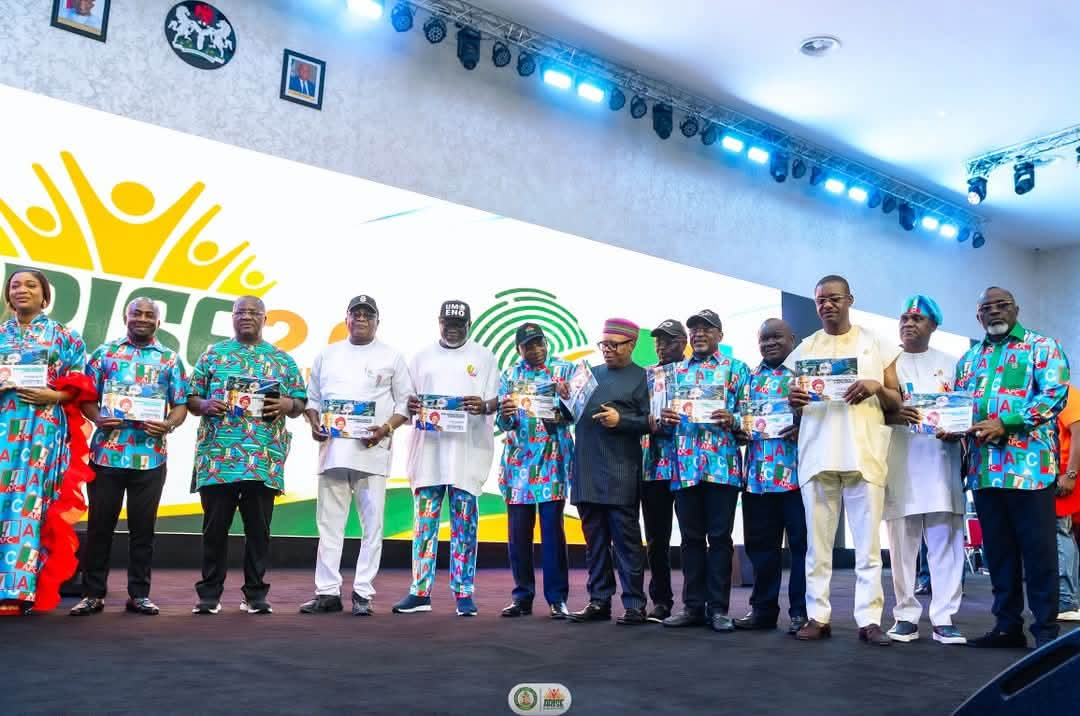
Akwa Ibom State Governor, Pastor Umo Bassey Eno, has unveiled a new development blueprint, ARISE Agenda 2.0, setting out the major projects, policy directions and strategic interventions his administration intends to pursue between 2027 and 2031, with the proposed Uyo City Centre emerging as the flagship project of the next phase.
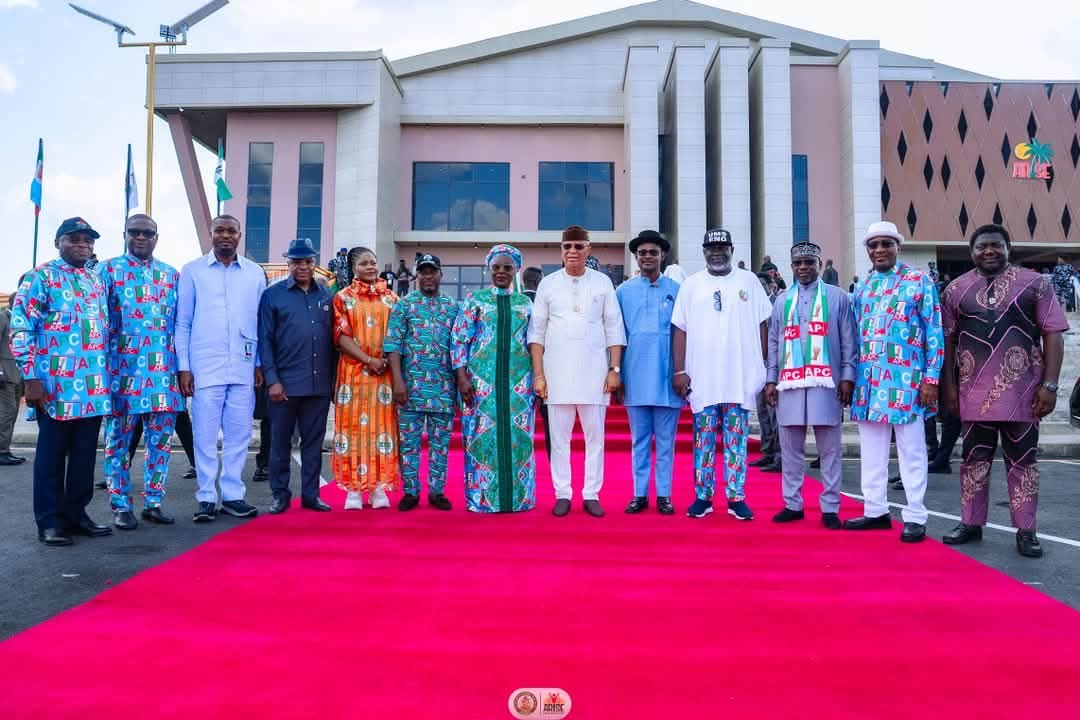
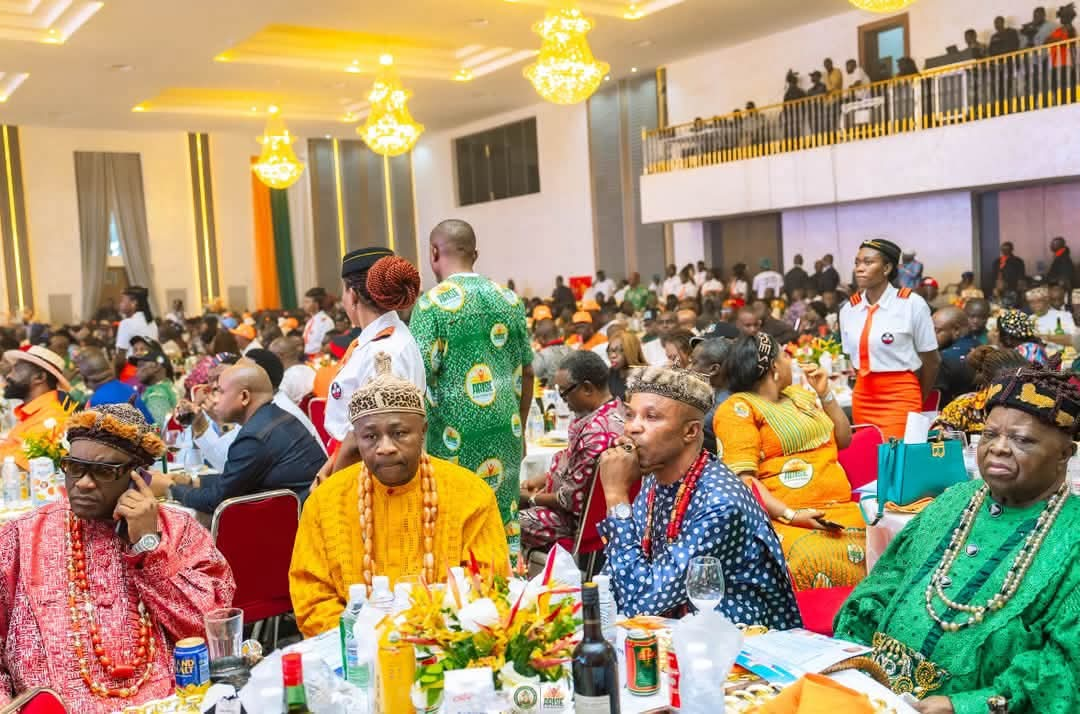
The Governor presented the manifesto during the inauguration of the State Campaign Council at the Banquet Hall of ARISE Palm Resort, Uyo, where he outlined his administration’s renewed commitment to agricultural expansion, rural transformation, infrastructure development, security, education, healthcare and economic diversification.
The new agenda, which builds on the five cardinal pillars of ARISE, is designed to consolidate the administration’s first-term interventions while introducing broader development targets aimed at accelerating growth and improving the living conditions of residents across the state.
At the heart of the agricultural component is a renewed drive towards commercial farming and food security. The Governor pledged to strengthen existing programmes, including the Ibom Model Farm, Back-to-Farm Initiative, ARISE Home Farms Scheme and Equipment Leasing Facility.
The second phase will focus on mechanised agriculture, expansion of oil-palm and other tree-crop plantations, agro-processing, improved agricultural financing and the deployment of modern farming technology. The administration also plans to complete the pilot Ibom Model Farm and establish similar facilities in the Uyo and Ikot Ekpene senatorial districts.
Reflecting on the first phase, the manifesto reported substantial progress in five of its six agricultural targets, including the distribution of 620,000 oil-palm seedlings across the 31 local government areas, establishment of the Ibom Equipment Leasing Facility and provision of grants to farmers.
In rural development, Governor Eno identified housing, roads, water supply, electricity and community-based economic empowerment as critical areas for further intervention.
The ARISE Compassionate Homes Programme, which has provided approximately 500 fully furnished two-bedroom houses to vulnerable citizens, will be expanded to cover 1,000 beneficiaries across the state’s wards.
The administration has also proposed the construction of 310 kilometres of rural roads, representing an average of 10 kilometres in each local government area, alongside additional bridges, potable water schemes, healthcare facilities and other essential community infrastructure.
On infrastructure, the Governor disclosed that the administration’s first-term record includes 1,515 kilometres of road projects executed across Akwa Ibom at a reported cost of N934.33 billion, including inherited projects funded by the present government, excluding RAAMP interventions.
The scorecard further documented 43 bridges constructed and 6,386 solar-powered streetlights installed out of 6,441 approved units, representing 95 per cent completion. The transition to solar-powered streetlighting has also reportedly reduced monthly diesel consumption by 78.7 per cent.
Other major infrastructure interventions listed include the completion of the new terminal building at Victor Attah International Airport, introduction of the CNG Mass Transit Scheme and commencement of the Oron Maritime Infrastructure Development Project.
For the incoming phase, the administration intends to pursue further road construction, improved maintenance systems, digital connectivity, urban renewal and expanded transportation infrastructure.
A defining feature of this vision is the proposed Uyo City Centre Project, which the Governor described as a major urban development initiative capable of repositioning the state capital as a commercial, transportation and tourism hub.
The project will occupy the strategic intersection of Wellington Bassey Way, Oron Road, Aka Road and Ikot Ekpene Road. Its proposed components include a two-level roundabout arrangement, elevated flyover, CNG bus terminal and designated loading and parking facilities for taxis and minibuses.
The development will also incorporate Ibom Plaza, a proposed City Tower and Ibom Mall, with provisions for commercial activities, recreation and public engagement.
The City Tower, whose architectural concept draws inspiration from the Akwa Ibom State Coat of Arms, will reflect the state’s cultural heritage, oil and gas endowment and coastal identity. The overall project is expected to attract private investment, stimulate commercial activities and create employment opportunities.
In the area of security and governance, ARISE 2.0 proposes a more technology-driven security framework, building on the structures established during the administration’s first phase.
Among the existing interventions highlighted are the creation of a standalone Ministry of Internal Security and Waterways, establishment of a Security Command and Control Centre, Ibom Community Watch and Security Trust Fund, as well as the deployment of security infrastructure across the state.
The administration also listed the provision of patrol vehicles and 14 gunboats for waterways surveillance, alongside the integration of 2,272 village youth presidents into the state’s security network.
The next phase will introduce wider deployment of surveillance cameras, scanners and other security monitoring technologies across the 31 local government areas, with emphasis on intelligence gathering, inter-agency cooperation and improved emergency response.
Education and youth empowerment also occupy significant positions in the new manifesto. The administration reported the establishment of 35 Model Primary Schools, surpassing its original target of 10, while maintaining the free and compulsory education policy.
It further disclosed that N778.9 million had been expended on examination fees for 48,797 candidates, while N1.69 billion was disbursed as bursaries to 25,527 students.
In youth development, the government cited its monthly N50,000 support initiative, which has reached more than 29,618 beneficiaries since October 2024, as well as the establishment of 31 Youth Development Centres.
Other programmes include the training of over 1,800 young people under Ibom-LED, with each graduate receiving a N750,000 grant, and 2,661 beneficiaries under DASAC, who received N1 million each.
The manifesto also recorded 8,854 public-sector jobs and additional employment opportunities created across education, healthcare, the civil service and technical and vocational sectors.
Under ARISE 2.0, the government plans to widen access to vocational and digital skills acquisition, strengthen entrepreneurship, promote innovation and establish stronger connections between education and employment. Destination Akwa Ibom will also receive renewed attention as part of efforts to grow the tourism and hospitality industry.
In healthcare, Governor Eno outlined plans to strengthen the state’s capacity to deliver specialised medical services and reduce the need for residents to seek treatment outside Akwa Ibom.
The administration’s scorecard included the construction of 31 Primary Healthcare Centres, completion and commissioning of the General Hospital, Ukanafun, and ongoing work on the General Hospital, Ibiono Ibom.
It also highlighted three medical oxygen production plants with a combined daily capacity of 240 cylinders, recruitment of 2,854 healthcare personnel and expansion of the State Health Insurance Scheme to 248,000 beneficiaries across more than 400 accredited facilities.
The manifesto further identified the Ibom Medical Village and Ibom Medical City projects, anchored by the proposed 350-bed Ibom International Hospital, as important components of the state’s long-term healthcare ambitions.
For the next four years, the administration intends to expand specialist healthcare services, improve medical financing, deploy technology in service delivery and strengthen existing health institutions to position Akwa Ibom as a regional medical destination.
Tourism and hospitality development will equally receive increased attention. The government listed the ARISE Palm Resort, 5,000-capacity Ibom International Convention Centre and 220-room Ibom International Hotel among the major tourism assets delivered or developed under ARISE 1.0.
The rehabilitation and repositioning of Ibom Hotels and Golf Resort, internationalisation of Victor Attah International Airport in 2025 and Ibom Air’s international expansion, including the scheduled Uyo-Accra service in 2026, were also identified as milestones.
The administration’s new tourism strategy will concentrate on making these facilities commercially productive through destination marketing, stronger private-sector participation and the development of a sustainable tourism economy.
Speaking at the event, President of the Senate, Senator Godswill Obot Akpabio, expressed confidence in Governor Eno’s leadership and the future of Akwa Ibom, describing the administration’s development direction as worthy of support.
Akpabio said the Governor had demonstrated commitment to securing the future of the state and its younger generation, asking rhetorically: “If Akwa Ibom does not vote for Umo Eno, then who?”
Similarly, the Director-General of the Campaign Council, Chief Assam Assam, SAN, called on the people of the state to support the Governor’s second-term ambition, expressing confidence in his administration’s performance and the development proposals contained in ARISE 2.0.
With the unveiling of the new manifesto, Governor Eno has placed before Akwa Ibom a broader development proposition that seeks to move beyond the consolidation of existing projects to a more expansive programme of economic growth, infrastructure renewal, social investment and institutional strengthening.
The proposed Uyo City Centre, alongside the planned expansion of rural roads, agricultural investments, healthcare facilities and security infrastructure, stands out as one of the defining priorities of the administration’s 2027–2031 development roadmap.