
HEALTH
MODEL HEALTH CENTRES: GOVERNOR UMO ENO EXPANDING COMMUNITY HEALTHCARE ACROSS AKWA IBOM (Series 082)

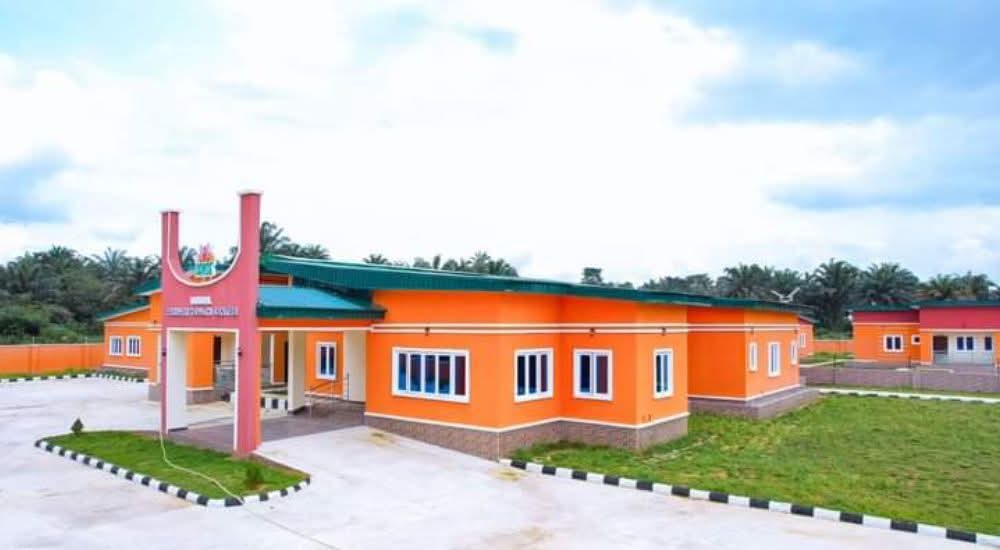
MODEL HEALTH CENTRES : GOVERNOR UMO ENO EXPANDING COMMUNITY HEALTHCARE ACROSS AKWA IBOM
(Series 082)
By Emmanuel Ndon_
The establishment of new model health centres across Akwa Ibom State represents a significant advancement toward the provision of accessible and quality healthcare at the community level. It further demonstrates Governor Umo Eno’s commitment to people-centred development, and underscores the recognition of healthcare as a fundamental pillar of social welfare and economic advancement.
Access to quality healthcare facilities remains one of the most reliable indicators of meaningful development. Communities with efficient medical services are generally better equipped to manage disease outbreaks, prevent illnesses and maintain improved standards of living. The expansion of model health centres is therefore expected to address existing healthcare limitations within many communities.
The accessibility of these health centres constitutes one of their most important advantages. For residents of rural and semi-urban areas located far from major hospitals and medical institutions, obtaining healthcare services often involves travelling long distances, resulting in additional financial burdens and delays that may aggravate medical conditions.
The facilities will also strengthen primary healthcare services, which serve as the first point of contact between citizens and the healthcare system. These services include the treatment of common illnesses, immunisation, maternal and child healthcare, health education and the early detection and management of diseases.
Maternal and child healthcare is another area expected to benefit considerably from the initiative. Pregnant women, nursing mothers and children at various stages of development frequently require regular medical attention, monitoring and professional guidance. The availability of localised health centres will therefore provide substantial support to these vulnerable groups.
In addition, the centres are expected to enhance preventive healthcare programmes within communities. Many illnesses become severe due to inadequate public awareness regarding hygiene, sanitation, nutrition and related health practices. Consequently, these facilities will serve not only as centres for treatment but also as institutions for health education and disease prevention.
From a developmental perspective, the establishment of these health centres reinforces the strong relationship between healthcare and human productivity. Healthy populations generally contribute to stronger workforces, improved educational outcomes, increased agricultural productivity, enhanced living standards and sustained economic growth.
Furthermore, the initiative contributes to reducing disparities in access to public healthcare services. In many regions, quality medical facilities have historically been concentrated in urban centres, leaving rural populations underserved. A more equitable distribution of healthcare infrastructure ensures that residents of rural and remote communities can also benefit from quality medical services.
The project also carries important social implications. Public confidence in government institutions often increases when citizens witness the effective delivery of services that directly improve their quality of life. The provision of functional and efficient healthcare facilities demonstrates responsiveness to public needs and can strengthen trust between citizens and public institutions.
The establishment of these health facilities is also expected to stimulate local economic activity, both directly and indirectly. Healthcare centres require doctors, nurses, laboratory technicians, administrative personnel and other support staff, thereby creating employment opportunities and contributing to local economic development.
In addition, the availability of nearby healthcare facilities may reduce the financial burden on families. Localised clinics can minimise transportation expenses, while timely medical consultations often prevent illnesses from becoming more severe and costly to treat. Access to nearby health centres can therefore contribute significantly to reducing healthcare-related expenditures for many households.
The construction of model health centres reflects Governor Umo Eno’s commitment to sustainable development. By investing in durable healthcare infrastructure, the initiative is expected to generate lasting social and economic benefits for years to come.