COLUMNIST
2027: How Governor Umo Eno, Senator Akpabio Tackled the Challenge of Legislative Turnover in Akwa Ibom

2027: How Governor Umo Eno, Senator Akpabio Tackled the Challenge of Legislative Turnover in Akwa Ibom
By | Daniel Etokidem
FACTSHEET
2027 APC Akwa Ibom Legislative Return Rate
National Assembly
• Senators: 3
• House of Representatives Members: 10
• Total National Assembly Members: 13
• Returning Members: 12
• Return Rate: 92.3%
Akwa Ibom State House of Assembly
• Total Members: 26
• Returning Members: 21
• Return Rate: 80.8%
Overall
• Total State and Federal Lawmakers: 39
• Returning Lawmakers: 33
• Overall Return Rate: 84.6%
At midnight on Tuesday, July 14, 2026, the deadline set by the Independent National Electoral Commission (INEC) for political parties to submit the names of their candidates for the 2027 Presidential and National Assembly elections expired in accordance with the Commission’s Revised Timetable and Schedule of Activities.
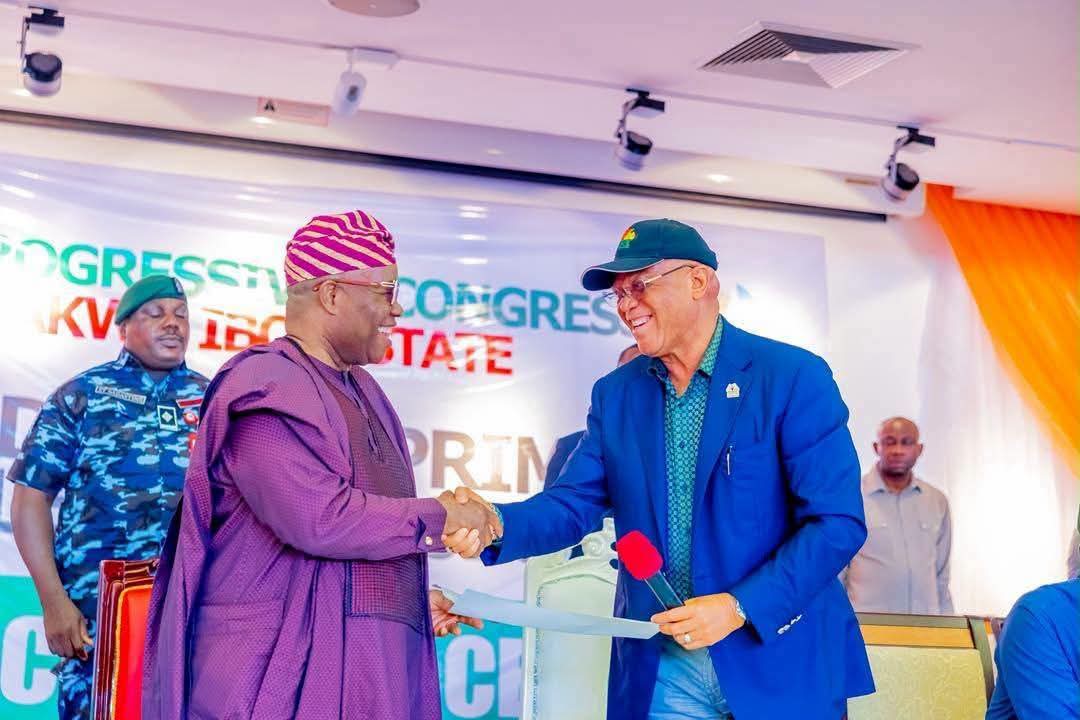
In Akwa Ibom State, the outcome of the All Progressives Congress (APC) primaries produced an exceptional result. Twelve of the state’s thirteen National Assembly members secured return tickets. All three Senators and nine of the ten members of the House of Representatives won nominations for either a second or third term in office. This represents a remarkable legislative return rate of 92.3 percent.
The trend was equally evident in the Akwa Ibom State House of Assembly, where twenty one of the twenty six serving lawmakers secured nominations to seek another term, representing an 80.8 percent return rate.
Combined, thirty three of the state’s thirty nine federal and state legislators received return tickets, giving Akwa Ibom an overall legislative return rate of 84.6 percent under the APC. This is arguably the highest legislative continuity ever recorded in the political history of the state.
The Burden of Legislative Turnover
Legislative turnover describes the rate at which serving lawmakers leave office and are replaced after an election. While regular renewal remains an important feature of every democracy, excessive turnover often comes at a significant institutional cost.
When experienced legislators exit in large numbers, legislative institutions lose institutional memory, committee expertise, policy continuity, and accumulated parliamentary experience. Newly elected members require considerable time to understand legislative procedures, build relationships, master oversight responsibilities, and effectively represent their constituencies.
Lower turnover, on the other hand, promotes stability. It preserves institutional knowledge, strengthens committee leadership, improves legislative effectiveness, and enables lawmakers to build the seniority required to influence national and state policy.
Around the world, legislative turnover is shaped by several constitutional, political, and electoral factors, including electoral systems, party nomination processes, zoning arrangements, incumbency advantage, voter behaviour, voluntary retirement, and internal party dynamics.
The United States, whose presidential system Nigeria largely adopted, consistently records relatively low legislative turnover because incumbent members of Congress enjoy high re election rates. Nigeria has historically experienced the opposite. Successive election cycles have often produced legislative turnover exceeding 70 percent, driven largely by party politics, zoning arrangements, defections, and internal political contests rather than general elections themselves.
Against this background, the outcome of the 2027 APC primaries in Akwa Ibom represents a significant departure from the state’s traditional pattern of legislative renewal.
The Leadership Factor
The unprecedented return rate did not occur by chance.
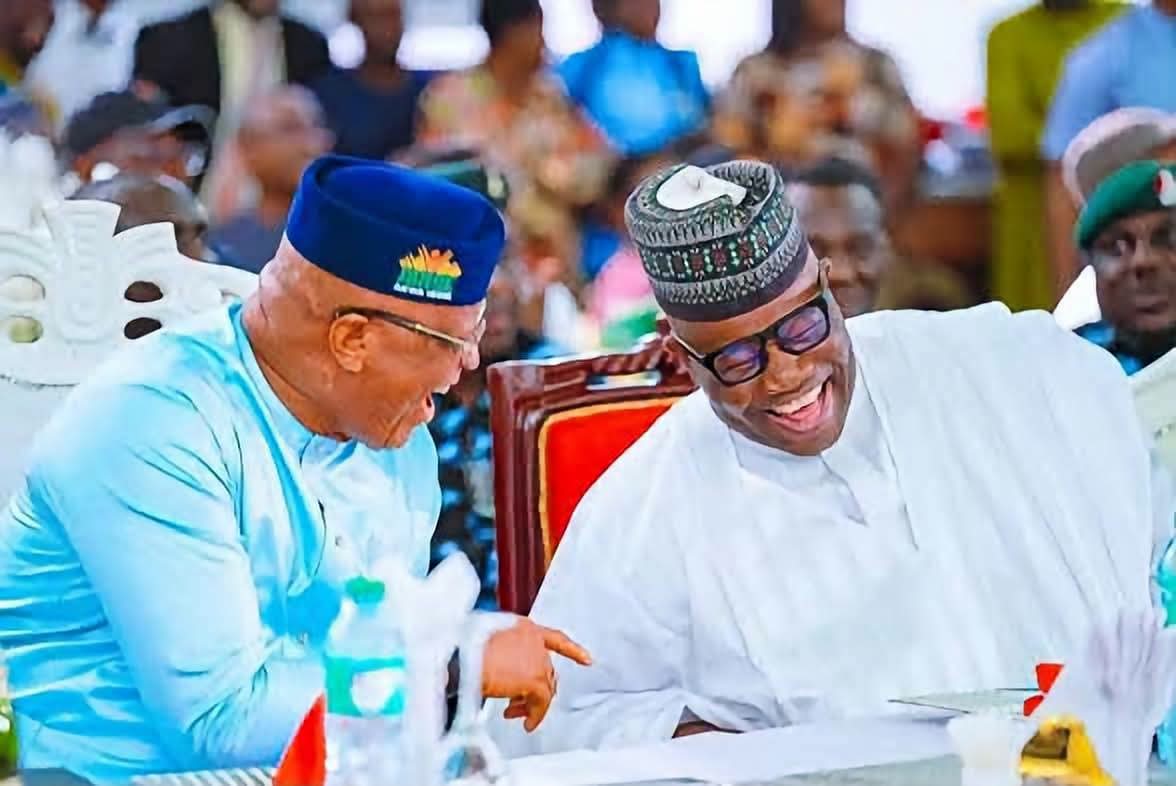
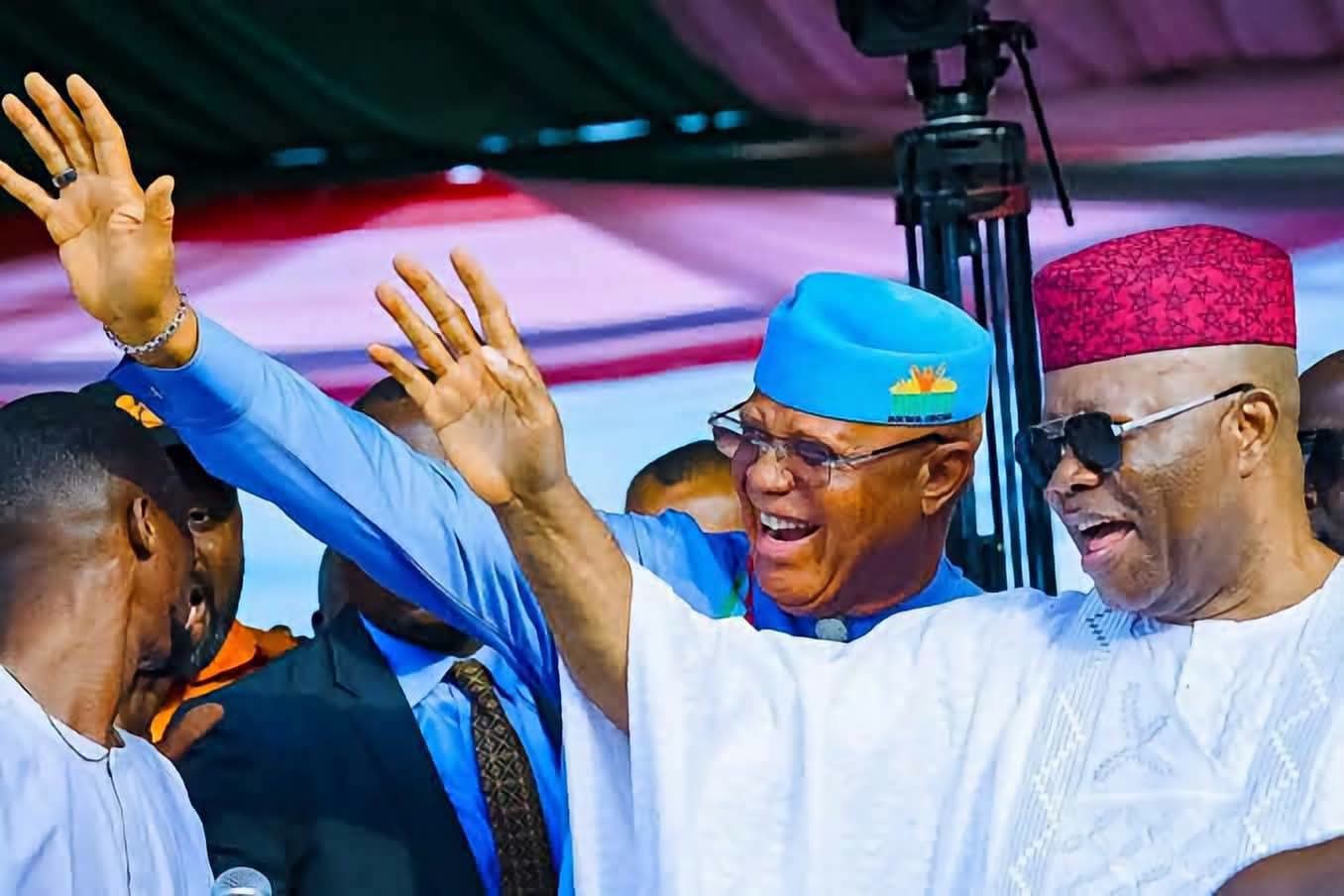
It reflected deliberate political coordination, consensus building, and strategic leadership within the APC in Akwa Ibom State under Governor Umo Eno and Senate President Godswill Akpabio.
By supporting continuity across the National Assembly and the State House of Assembly, the party substantially reduced the level of legislative turnover that would ordinarily have resulted from competitive primaries.
Many political observers believe that had every legislative seat been subjected to highly competitive primary elections, a significant number of incumbent lawmakers would probably have failed to secure renomination. While some lawmakers have built strong constituency support and legislative records that could have guaranteed victory under any circumstance, others clearly benefited from the consensus approach adopted by the party leadership.
The Task Before the Returning Lawmakers
The primaries are over. The candidates have emerged. Their names have been submitted to INEC.
Attention now shifts to the general election and, beyond that, to governance.
Barring any extraordinary political development, the APC is widely expected to perform strongly in Akwa Ibom during the 2027 elections. If that expectation materialises, the state will return an overwhelming number of ranking legislators to both the National Assembly and the State House of Assembly.
This carries important implications.
Ranking lawmakers generally enjoy greater opportunities to chair influential committees, sponsor strategic legislation, influence budget allocations, and attract developmental projects to their constituencies.
However, legislative seniority must be matched by measurable performance.
From 2027 onward, there must be stronger collaboration between federal lawmakers and the Akwa Ibom State Government. Constituency engagement must become more robust. Oversight responsibilities must be strengthened. Legislative interventions should increasingly translate into tangible development outcomes for the people.
The confidence reposed in these lawmakers by Governor Umo Eno and Senate President Godswill Akpabio, coupled with the trust expected from the electorate at the general election, places an even greater responsibility on them to justify their continued stay in office through visible service and effective representation.
As Akwa Ibom approaches the 2027 elections with perhaps the lowest legislative turnover and the highest legislative return rate in its political history, the critical question is no longer whether continuity has been achieved.
The real question is whether this unprecedented continuity will produce stronger representation, better legislation, increased federal presence, and accelerated development between 2027 and 2031.
The answer will ultimately be determined by the performance of the lawmakers themselves.