
NEWS
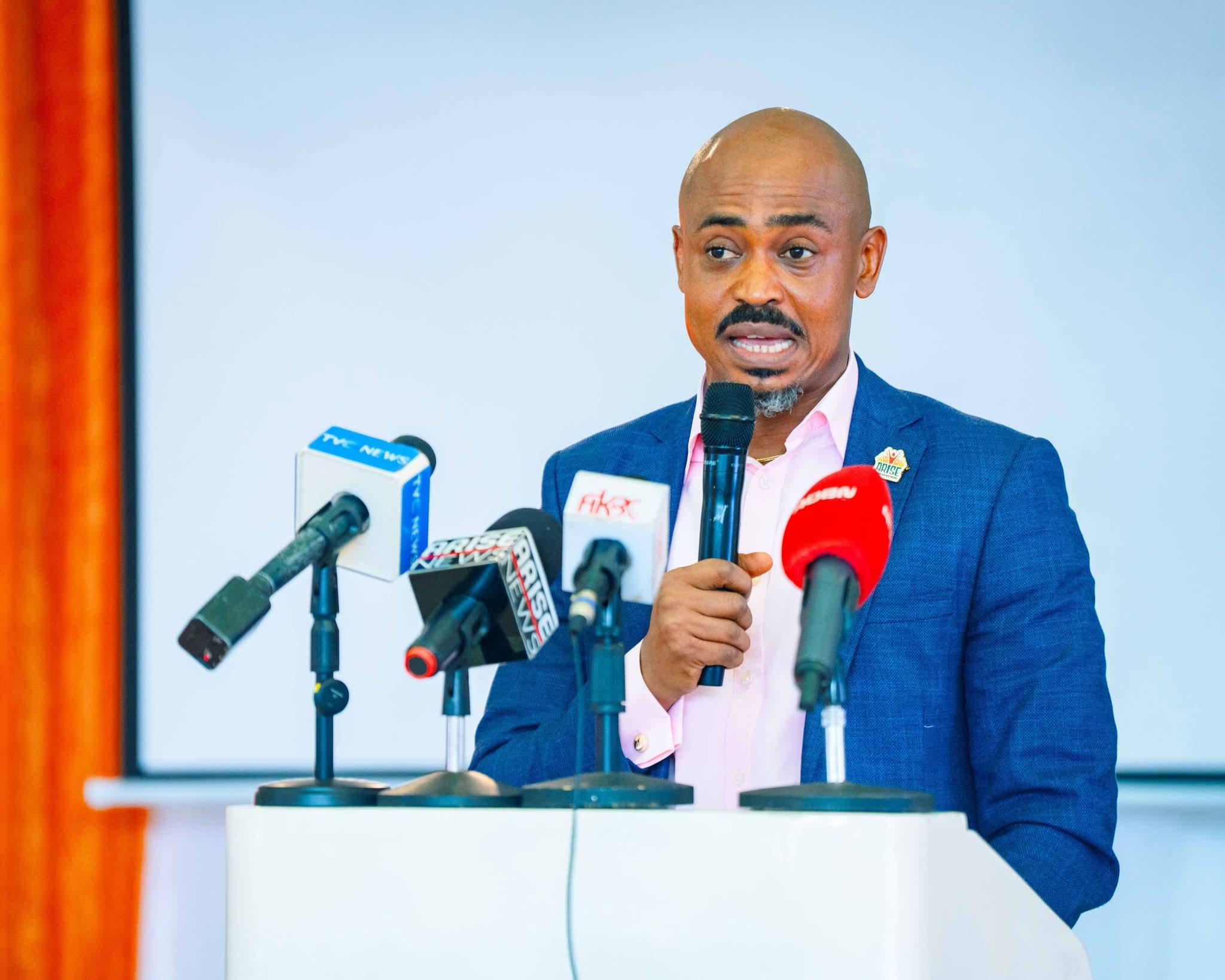
Addressing Erratic Power Supply in Akwa Ibom Is a Gradual Process — Iniobong Robson

Addressing Erratic Power Supply in Akwa Ibom Is a Gradual Process — Iniobong Robson
The Akwa Ibom State Commissioner for Power, Mr. Iniobong Robson, has said that addressing the challenge of erratic electricity supply in the state is a gradual process that requires sustained investment, strategic planning, and public cooperation, and that Government is putting things in places to get it right.
Robson stated this while responding to questions from journalists during a media briefing organized to mark the third anniversary of the administration of Governor Umo Eno.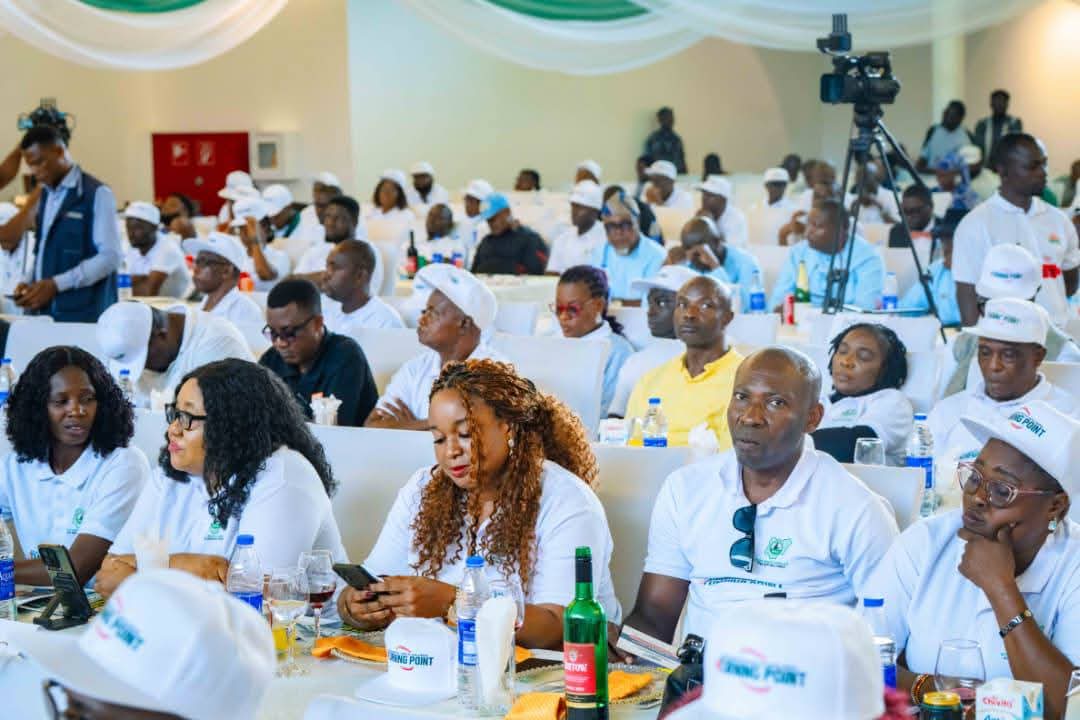
The briefing brought together government officials to assess achievements, discuss challenges, and outline future plans across key sectors of the state’s economy.
Speaking on the power sector, the Commissioner noted that electricity generation, transmission, and distribution involve complex technical, financial, and infrastructural processes that cannot be resolved overnight.
According to him, one of the major obstacles to public appreciation of ongoing reforms is the widespread misunderstanding of how the power sector operates.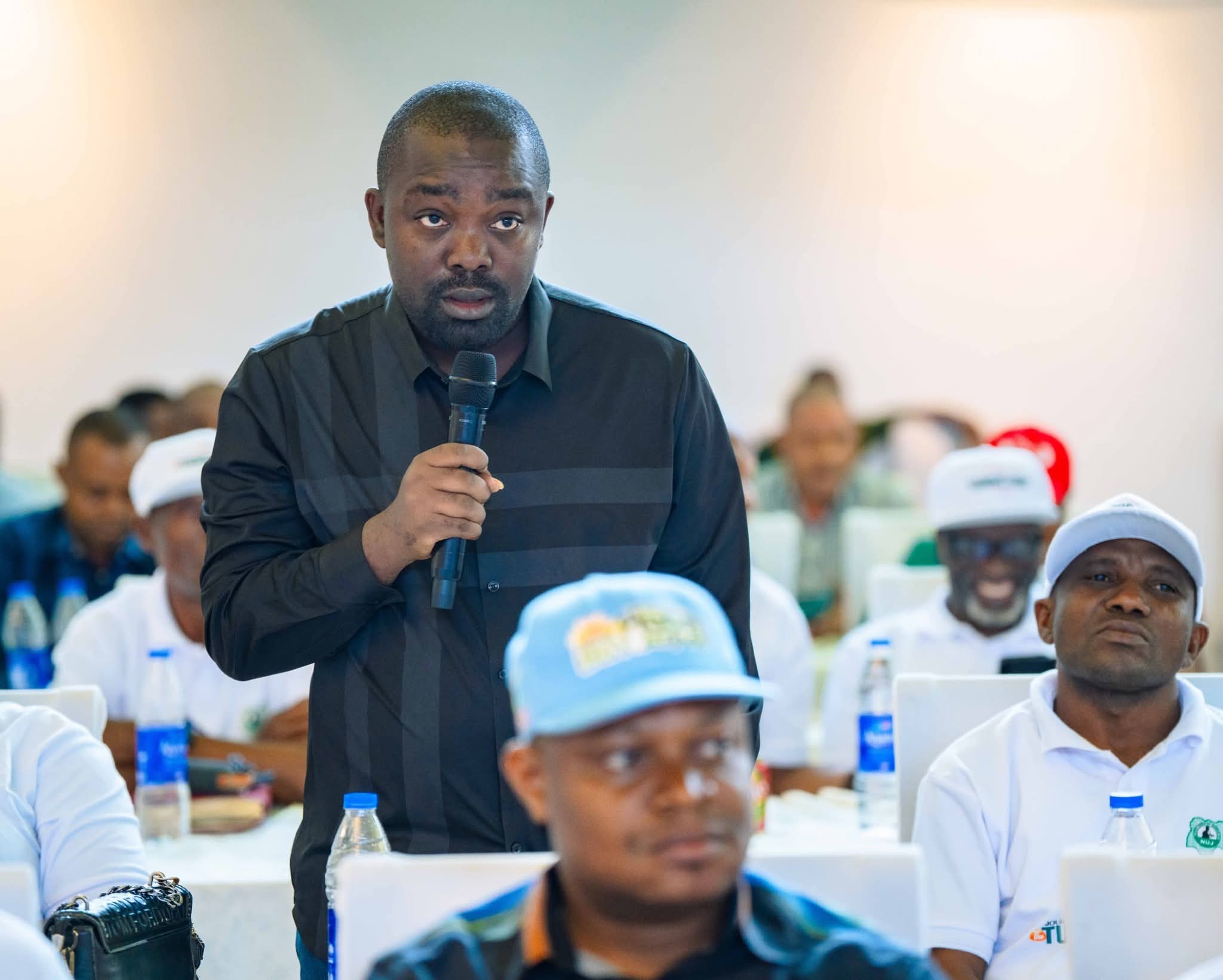
“There is a level of ignorance that remains prevalent as far as the power sector is concerned,” he said. “Many people believe that electricity can simply be switched on by government directives, without considering the enormous investments required in infrastructure, metering, maintenance, and system expansion.”
Robson explained that improving electricity supply requires a long-term approach driven by policy consistency, stakeholder collaboration, and significant capital investment.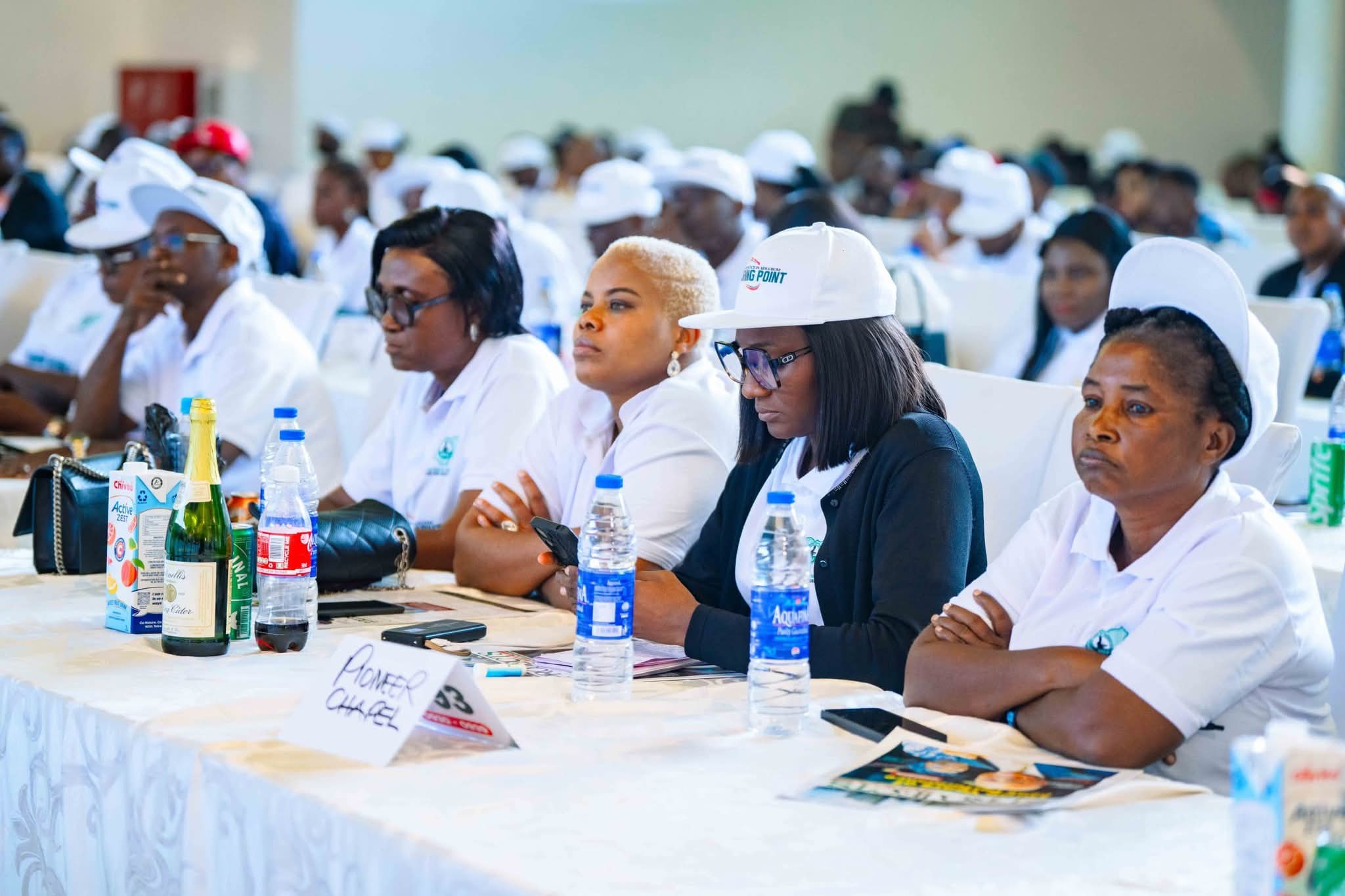
He added that the state government has continued to make strategic interventions aimed at strengthening power infrastructure and expanding access to electricity.
He highlighted ongoing efforts by the administration, including plans to establish a state electricity market, create a regulatory commission, develop a state-backed electricity distribution framework, and expand solar power solutions to underserved and rural communities.
The Commissioner further disclosed that the government has invested in substations, rural electrification projects, and partnerships with private-sector operators to improve power delivery and position the state for greater energy independence.
While acknowledging the expectations of residents for improved electricity supply, Robson stressed that government efforts alone would not guarantee sustainable results without the active participation of consumers.
He urged residents to support ongoing reforms through prompt payment for electricity services, responsible energy consumption, and protection of public power infrastructure from vandalism.
“Stable electricity is a shared responsibility,” he stated. “Government provides the enabling infrastructure and policy framework, while consumers must support the system through responsible energy use, payment for services rendered, and protection of critical power infrastructure.”
Robson expressed confidence that with sustained investment, stronger public enlightenment, and effective collaboration among stakeholders, Akwa Ibom would continue to record steady progress in its quest for a more reliable and sustainable electricity supply system.
He maintained that while the challenges in the sector remain significant, the administration of Governor Umo Eno is laying the necessary foundation for long-term improvements, emphasizing that addressing erratic power supply is a process that requires patience, commitment, and collective effort.