ADVERTORIAL
THE ROLE OF THE MEDIA IN THE ADMINISTRATION OF JUSTICE: TOWARDS EFFECTIVE CRIME AND COURT REPORTING

THE ROLE OF THE MEDIA IN THE ADMINISTRATION OF JUSTICE: TOWARDS EFFECTIVE CRIME AND COURT REPORTING
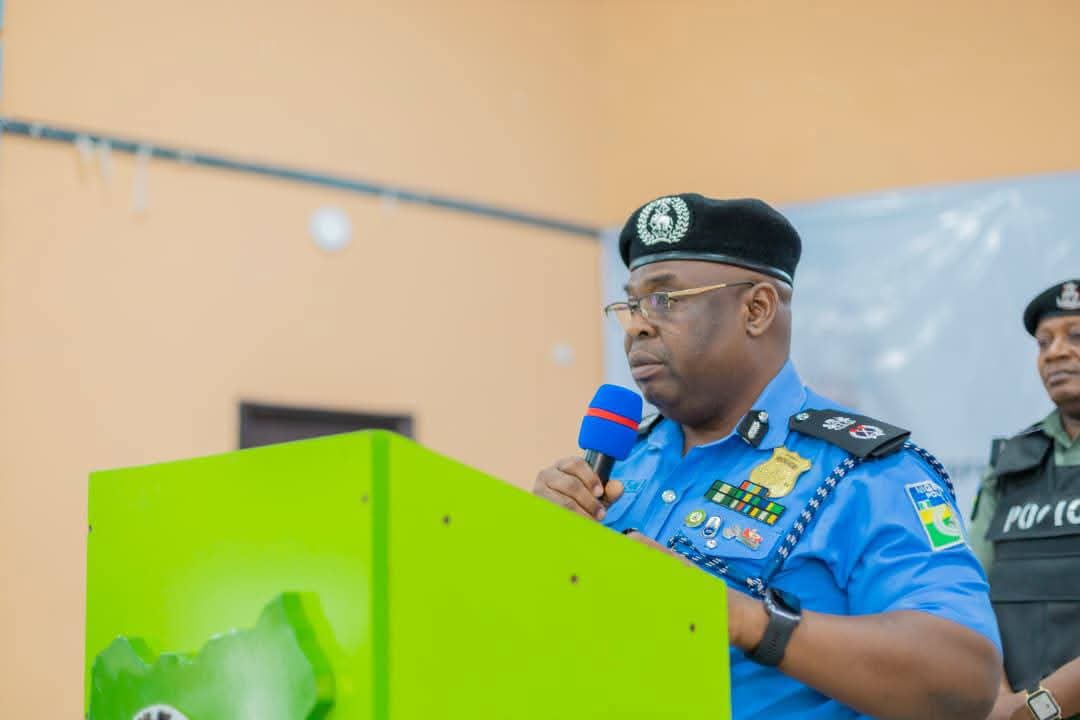
A Paper Presented by CP Baba Mohammed Azare, fsi Commissioner of Police, Akwa Ibom State Command
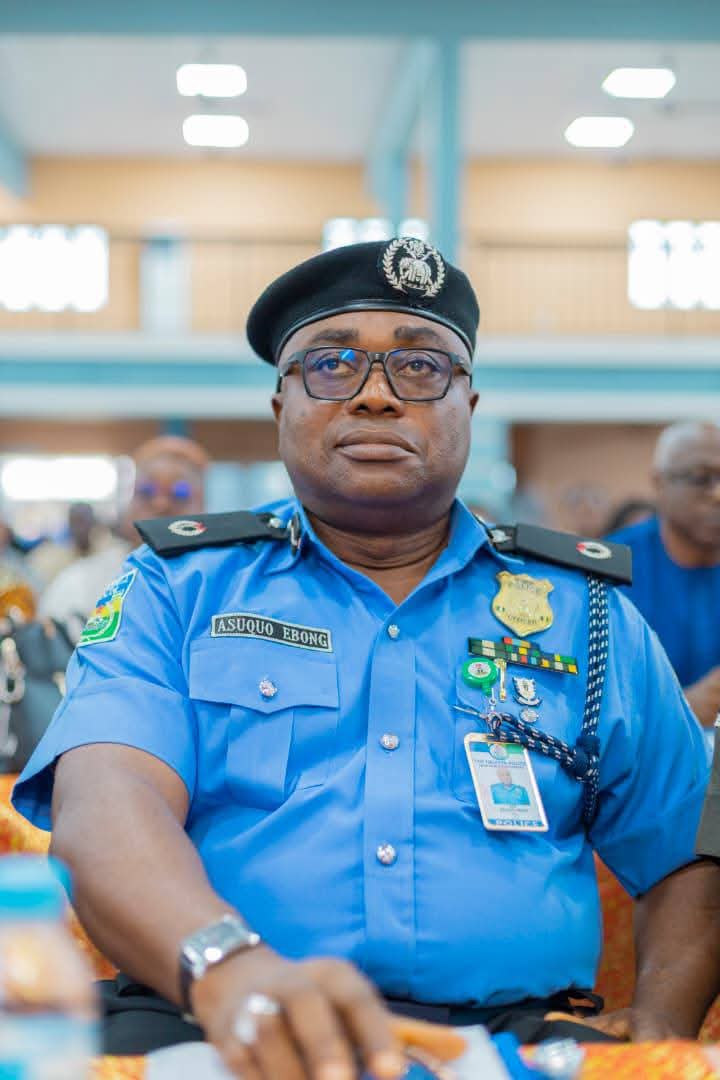
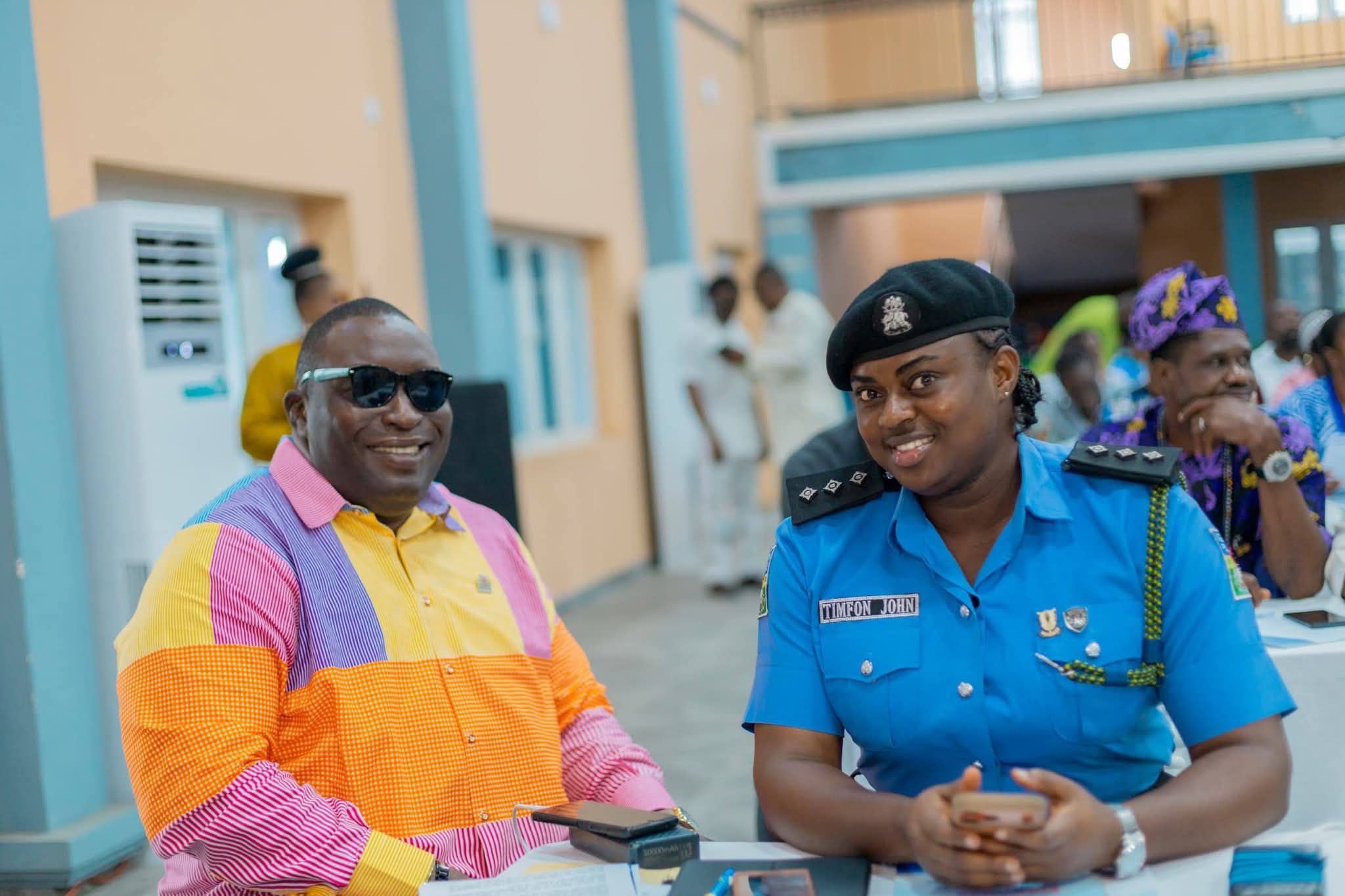
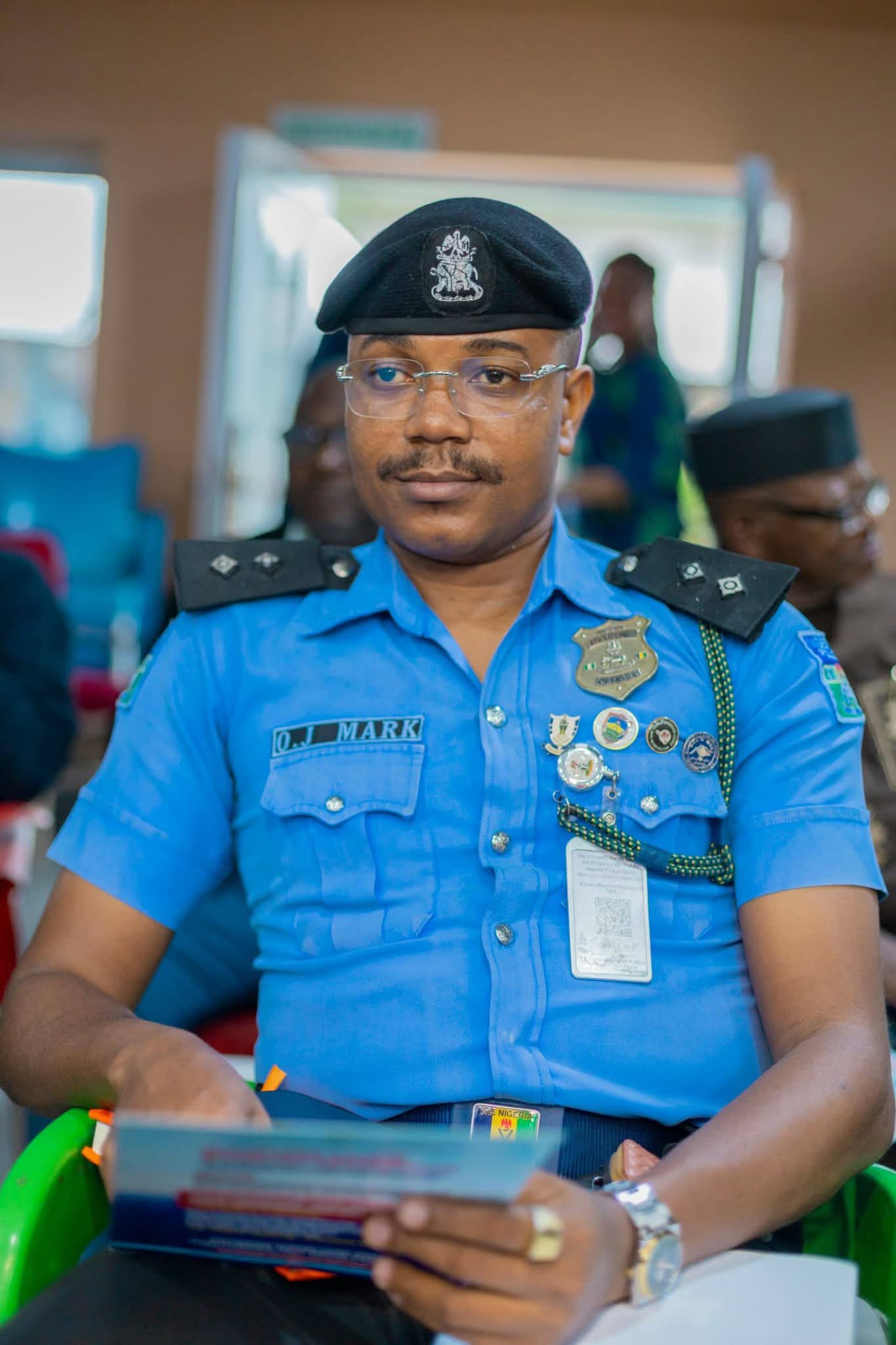
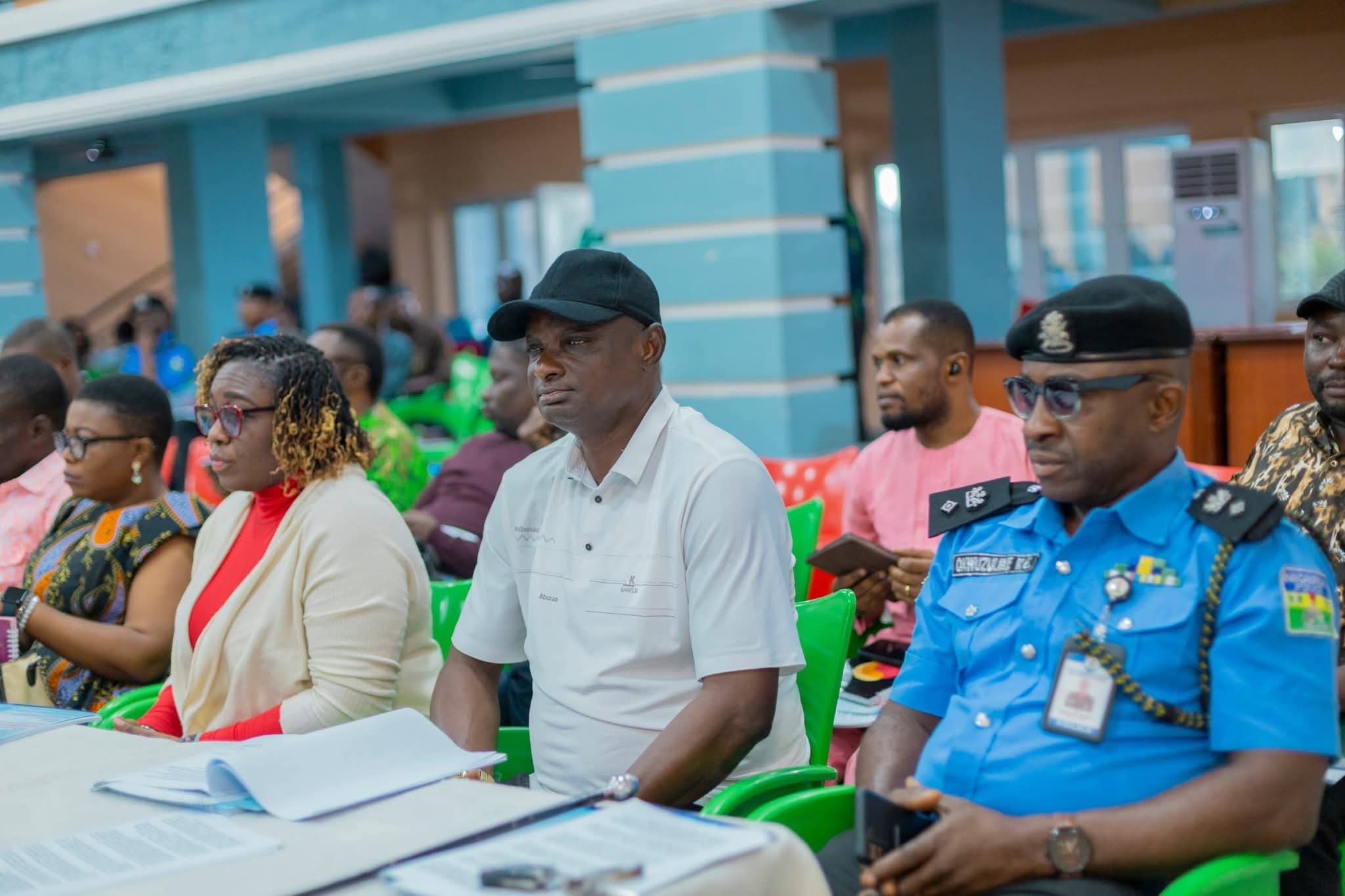
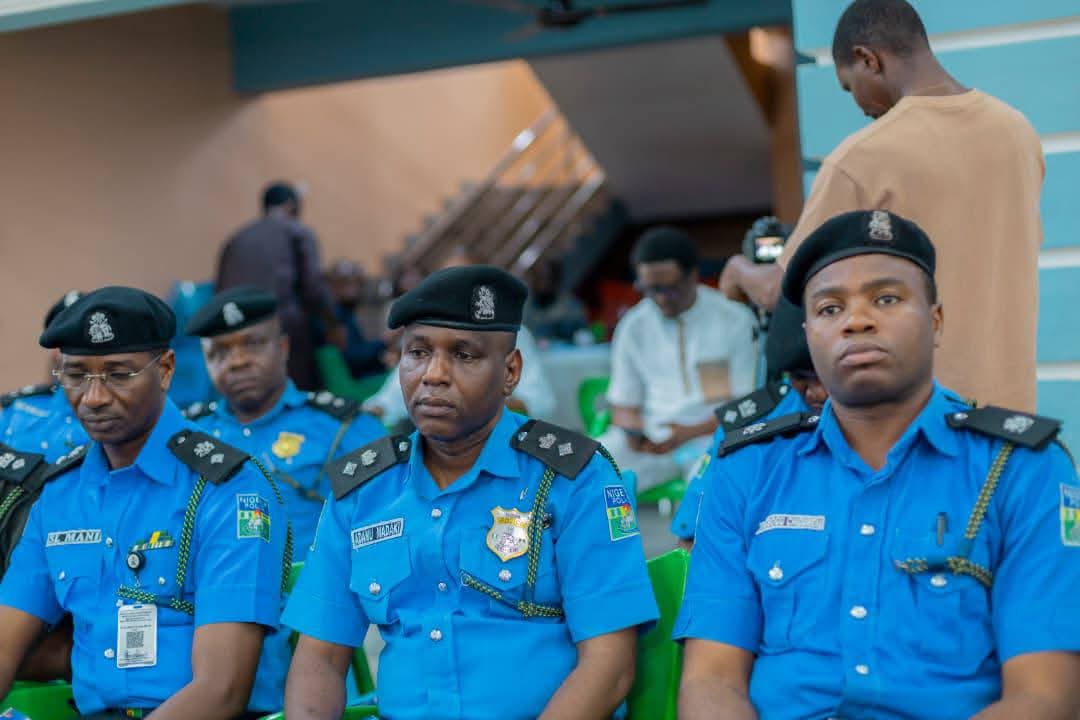
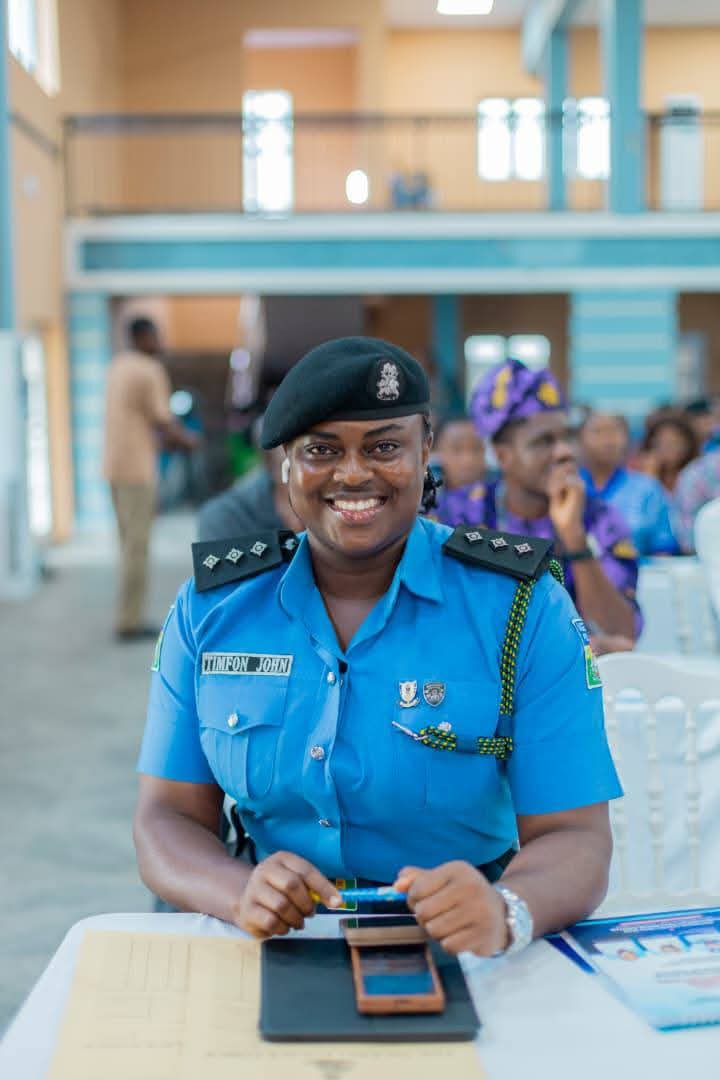
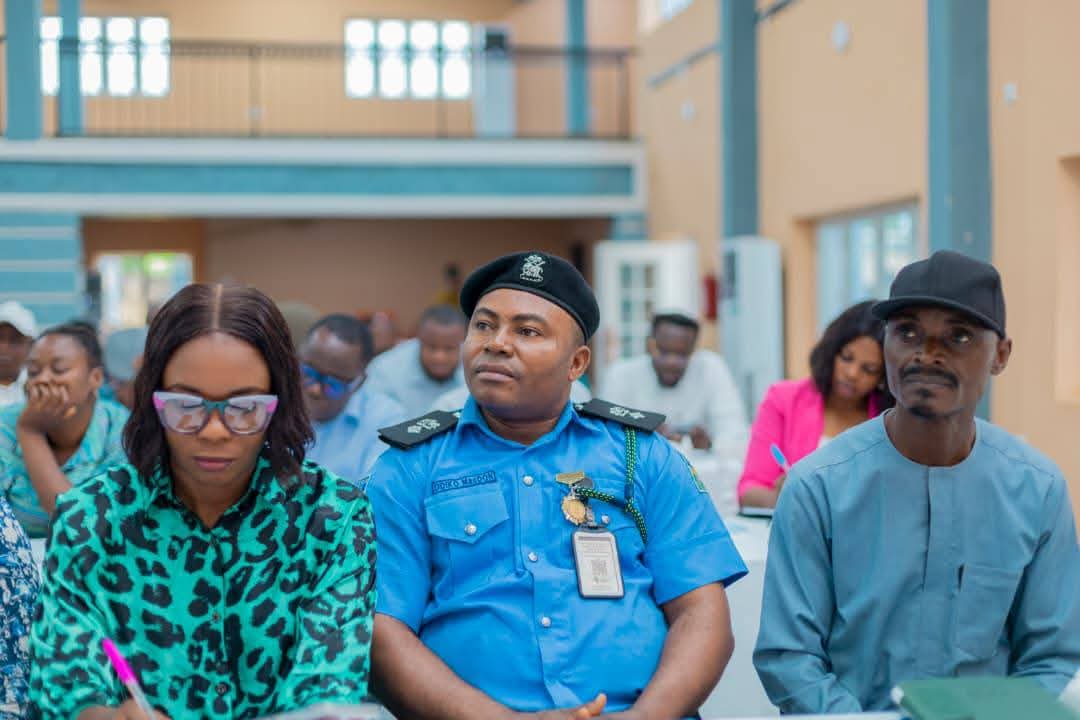
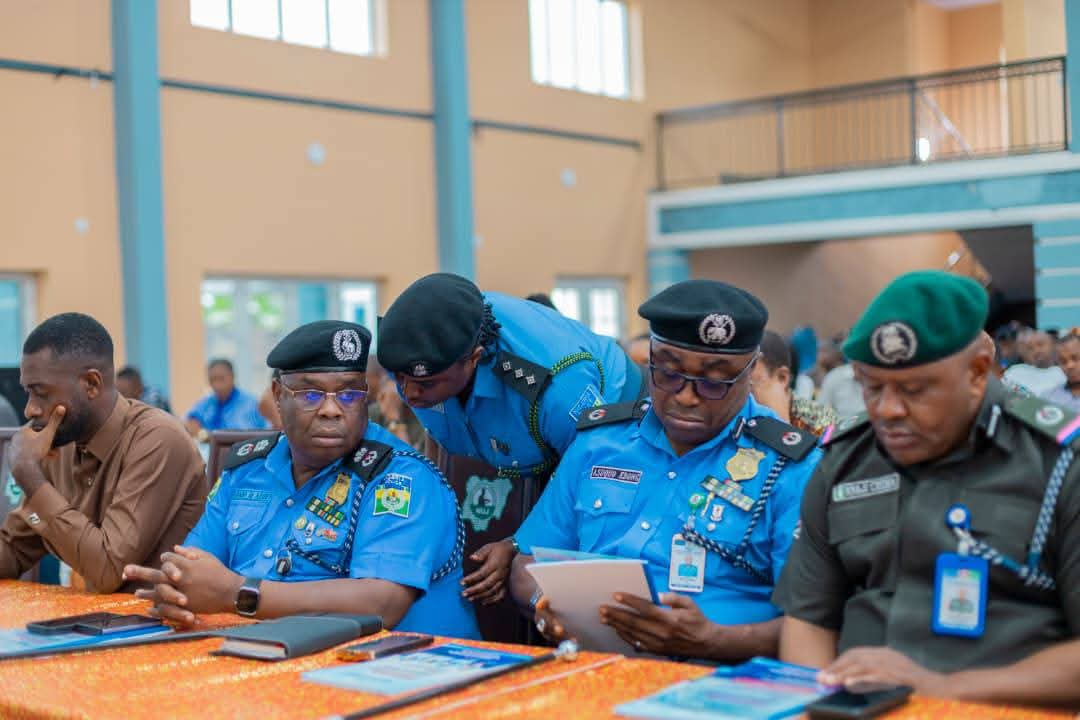
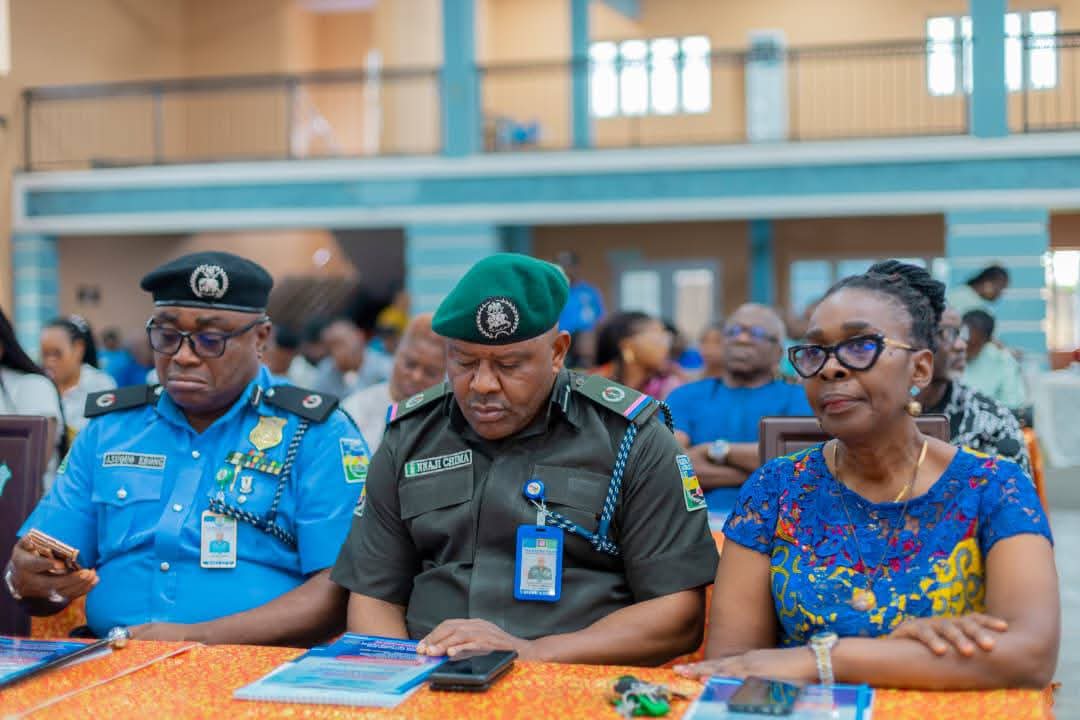
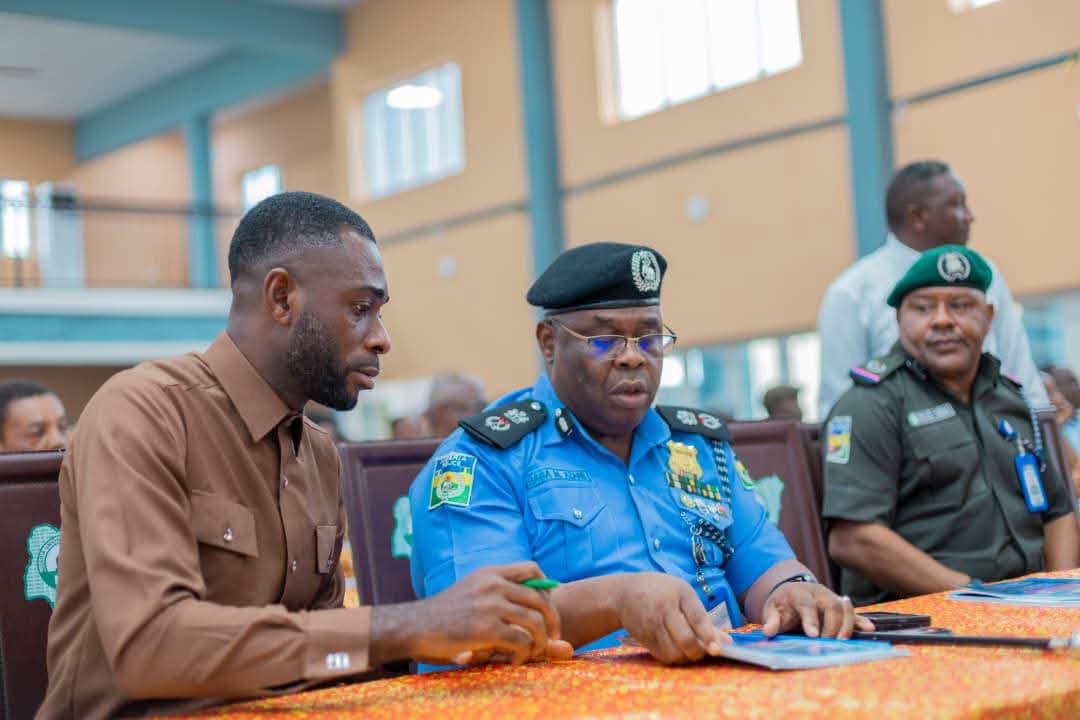
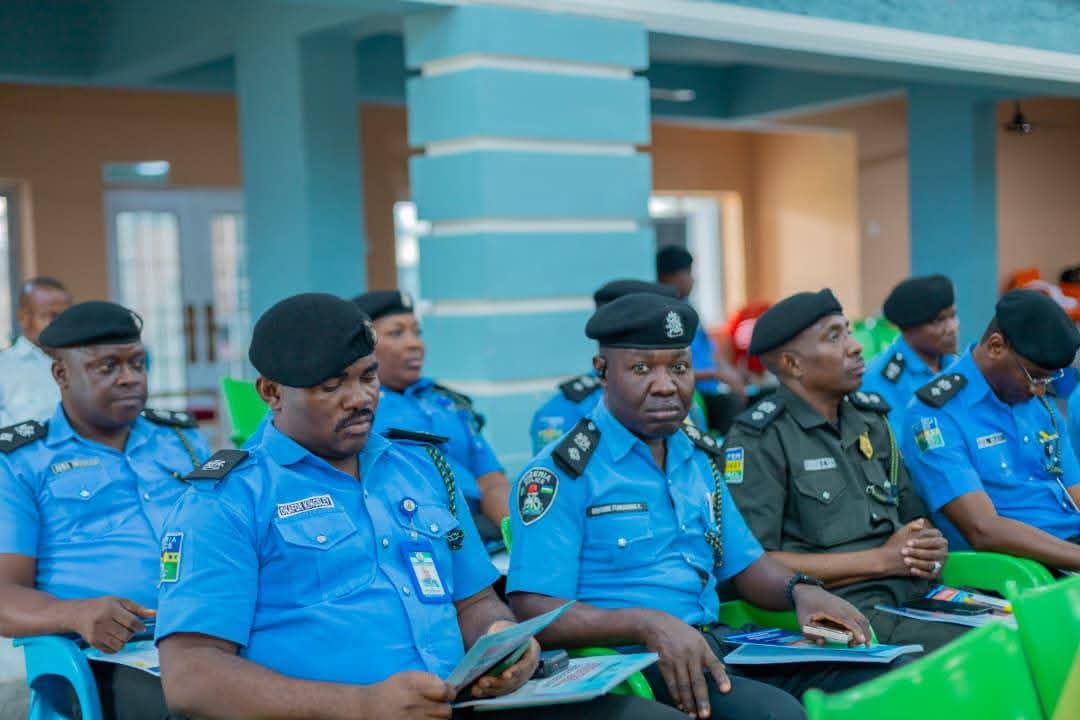
At the Symposium on Effective Crime & Court Reporting Organised by the Nigeria Union of Journalists (NUJ), Akwa Ibom State Council, in collaboration with the Akwa Ibom State Judiciary
Venue: Patience (Kemi) Umo Eno Auditorium, NUJ Press Centre, Information Drive, Uyo, Akwa Ibom State
Date: Wednesday, 26th August, 2026
PROTOCOL
The leadership of the Nigeria Union of Journalists, Akwa Ibom State Council; my Lords and distinguished members of the Judiciary; the Vice Chancellor, University of Uyo, Prof. Chris Ekong; Justice Ifiok Ukana, retired Justice; Chairman, Nigeria Union of Journalists, Akwa Ibom State Council, Comrade Nsibiet John; distinguished members of the legal profession; senior Police officers; editors, correspondents and members of the media; distinguished ladies and gentlemen.
I am delighted to be part of this important symposium on Effective Crime and Court Reporting: The Role of the Media in the Administration of Justice.
I commend the Nigeria Union of Journalists, Akwa Ibom State Council, in collaboration with the Akwa Ibom State Judiciary, for organising this timely and important engagement. It provides an opportunity for the Police, Judiciary and Media to examine our respective responsibilities within the criminal justice system and, more importantly, to explore how we can work together without compromising our constitutional and professional obligations.
INTRODUCTION
The administration of justice does not begin and end in the courtroom. It is a process involving several institutions, each with a distinct but interconnected responsibility. The Police and other law-enforcement agencies investigate offences; prosecutors present cases; lawyers represent the interests of parties; courts determine guilt, innocence, rights and liabilities; correctional institutions implement lawful sentences; while the media informs the public about these processes.
The media therefore occupies a strategic position between the institutions of justice and the public. For the majority of citizens who may never enter a courtroom or witness a criminal investigation, their understanding of crime, policing and the justice system is largely shaped by what they read, hear and watch in the media.
This enormous influence imposes an equally enormous responsibility. Crime and court reporting must therefore go beyond being the first to break a story. It must be about accuracy, fairness, responsibility, legality and respect for the administration of justice.
THE MEDIA AS A PARTNER IN JUSTICE AND SECURITY
The Nigeria Police Force recognises the media as an indispensable partner in the maintenance of peace, security and public order. The media assists law enforcement by disseminating security information, educating citizens, exposing criminal activities and creating public awareness about emerging threats.
There are numerous instances where information circulated through responsible media reporting has assisted the Police in locating missing persons, identifying suspects, recovering stolen property and obtaining useful information from members of the public. Responsible crime reporting can also discourage criminal behaviour and reassure citizens that security and justice institutions are functioning.
The media must, however, appreciate that crime reporting is different from ordinary reporting because an inaccurate statement may prejudice an investigation, destroy a person’s reputation, endanger lives or interfere with judicial proceedings.
THE PRESUMPTION OF INNOCENCE
One of the most important principles that every crime reporter must understand is the presumption of innocence. A person arrested or accused of committing an offence is not automatically guilty.
The responsibility of the Police is to investigate allegations and, where sufficient evidence exists, bring the suspect before a competent court. It is the court—not the Police, not social media and not the conventional media—that determines guilt according to law.
Journalists should therefore distinguish carefully between terms such as suspect, accused person, defendant and convicted person. A suspect should not be described as a criminal simply because he or she has been arrested. Similarly, headlines and reports should not pronounce a person guilty before the court has reached its decision.
Trial by media must never replace trial by a court of competent jurisdiction.
CRIME REPORTING AND POLICE INVESTIGATIONS
There is another important area where journalists and law-enforcement officers must exercise restraint. Not every fact known to investigators can immediately be released to the public.
During an ongoing investigation, certain information may need to remain confidential because premature disclosure could alert other suspects, compromise evidence, expose witnesses, frustrate arrests or even endanger the lives of victims and investigating officers.
When the Police say that an investigation is ongoing, it should not automatically be interpreted as unwillingness to provide information. Sometimes, withholding particular operational details is necessary for the success and integrity of the investigation.
This is why a professional relationship between journalists and authorised Police spokespersons is essential. The Akwa Ibom State Police Command remains committed to providing timely and credible information to journalists, subject to legitimate investigative and security considerations.
VERIFY BEFORE YOU PUBLISH
The speed of modern communication has created intense pressure on journalists to publish information almost immediately. Social media has further complicated this environment. A rumour can reach thousands of people within minutes. An old video can be reposted and presented as a current event. An incident that occurred in another State—or even another country—can be circulated and falsely attributed to Akwa Ibom State.
The professional journalist must therefore be different from an ordinary social-media user. Verification must come before publication.
Before publishing a serious allegation involving crime, journalists should make reasonable efforts to establish where the incident occurred, when it occurred, who the original source is, whether the Police or relevant authority has confirmed it, whether the photograph or video is authentic and related to the incident, whether the information is complete enough to justify publication, and whether publication could compromise an investigation or endanger someone.
Being first is important in journalism, but being accurate is more important. A false report published in seconds may require years to repair the damage it causes.
SOCIAL MEDIA AND CITIZEN JOURNALISM
Today, practically anyone with a smartphone can record an incident and distribute information to millions of people. This has democratized access to information, but it has also increased misinformation, disinformation and sensationalism.
Professional journalism must therefore remain the standard against which information is tested. A journalist should not simply reproduce a viral social-media post. The journalist must investigate it.
Where a social-media claim concerns a serious crime or security incident, the appropriate law-enforcement agency should be contacted for confirmation or clarification before publication. This protects both the journalist and society.
PROTECTING VICTIMS AND VULNERABLE PERSONS
Crime reporting must also recognise the dignity and privacy of victims. Special care should be exercised when reporting cases involving children, victims of sexual offences, trafficking victims and other vulnerable persons.
A victim should not suffer a second punishment through irresponsible publicity. Journalists should therefore consider whether revealing a victim’s name, photograph, address, family details or other identifying information serves any legitimate public interest.
There is a difference between what the public is interested in and what is genuinely in the public interest. Professional journalism must understand that distinction.
COURT REPORTING
Court reporting is equally specialised. A journalist covering judicial proceedings must understand that the courtroom is governed by law, procedure and rules of evidence.
Statements made by counsel are not necessarily findings of the court. Allegations contained in a charge are not convictions. Evidence given by a witness may subsequently be challenged or rejected.
A reporter must therefore clearly distinguish between what was alleged, what evidence was presented, what counsel argued, and what the court actually decided. This distinction is fundamental to accurate court reporting.
Where a matter remains pending before a court, journalists should avoid publications capable of prejudicing the proceedings or creating unnecessary public pressure around the case.
BALANCING PRESS FREEDOM AND RESPONSIBILITY
A democratic society requires a free press. Law-enforcement institutions must respect the legitimate role of journalists to investigate, question authority and inform the public.
At the same time, freedom carries responsibility. Freedom of expression does not remove the obligation to respect the rights and reputation of others, national security, public order and the integrity of judicial proceedings.
The challenge, therefore, is not to choose between press freedom and responsible journalism. Responsible journalism strengthens press freedom.
When citizens trust journalists to report accurately and fairly, the credibility and influence of the media increase.
RELATIONSHIP BETWEEN THE POLICE AND THE MEDIA
The relationship between the Police and the media should neither be adversarial nor improperly dependent. Journalists are not expected to become public-relations officers for the Police, and the Police should not expect journalists to suppress legitimate public-interest information.
Our relationship should instead be based on professionalism, mutual respect, accessibility and verification.
Where the Police make mistakes, the media has the right and responsibility to report them fairly. Similarly, where the Police achieve operational successes, such achievements should also be reported objectively. Fairness requires that criticism and commendation should both be based on facts.
CHALLENGES FACING CRIME REPORTING
We must acknowledge some practical challenges confronting crime reporters. These include pressure to break stories quickly, competition created by social media, misinformation from unofficial sources, inadequate understanding of criminal procedure, sensational headlines, difficulty accessing official information and, sometimes, poor communication between security agencies and journalists.
These challenges cannot be solved by one institution alone. The Police must improve information management and accessibility. The Judiciary must continue to facilitate appropriate understanding of court procedures. Media organisations must invest in specialised training for crime and judiciary correspondents.
Journalists themselves must continuously update their knowledge of relevant laws, ethics and criminal justice procedures.
A FRAMEWORK FOR BETTER COOPERATION
I therefore recommend stronger institutional cooperation among the Police, Judiciary, Nigerian Bar Association and Nigeria Union of Journalists in Akwa Ibom State.
Periodic training programmes such as this symposium should be sustained. We should consider establishing regular engagements where crime and judiciary correspondents can interact with Police investigators, prosecutors, lawyers and judicial officers on matters of procedure and professional responsibility, without discussing the merits of pending cases.
Media organisations should also designate and develop specialised crime and court correspondents rather than frequently assigning reporters without adequate exposure to the complexities of criminal justice reporting.
Most importantly, journalists should develop the habit of contacting authorised sources for verification before publishing sensitive security information.
A WORD TO POLICE OFFICERS
Permit me also to address my officers.
Effective media relations is a two-way responsibility. Police officers must understand that journalists performing their lawful professional duties are partners in democratic accountability. Officers must therefore treat journalists professionally and respectfully.
At the same time, Police officers must comply with established communication protocols. Sensitive operational information, details of ongoing investigations and confidential intelligence must not be casually disclosed.
The office of the Police Public Relations Officer remains an important bridge between the Command and the media.
CONCLUSION
Distinguished ladies and gentlemen, the Police, Judiciary and Media serve the same society, although our responsibilities are different.
The Police investigates.
The Judiciary adjudicates.
The Media informs.
When each performs its responsibility professionally, justice and democracy are strengthened. But when information is distorted, investigations compromised or judicial processes prejudiced, society suffers.
I therefore urge our media practitioners: report crime, but do not sensationalise it; report arrests, but respect the presumption of innocence; report allegations, but distinguish them from facts established by a court; report court proceedings, but do not conduct a parallel trial in the media; hold institutions accountable, but always verify before publishing.
For us in the Akwa Ibom State Police Command, our doors will continue to remain open to constructive engagement with the media. We remain committed to lawful policing, protection of lives and property, respect for human rights and continued partnership with the Judiciary, the media and the people of Akwa Ibom State.
Let us continue to work together towards a society where justice is not only done, but is accurately, responsibly and professionally reported.
I once again commend the Nigeria Union of Journalists, Akwa Ibom State Council, and the Akwa Ibom State Judiciary for this important initiative.
Thank you and God bless you all.