COLUMNIST
WHY GOVERNOR UMO ENO IS DIFFERENT

WHY GOVERNOR UMO ENO IS DIFFERENT
By Anthony Udoh
In Akwa Ibom State, the Ibom Connection, popularly known as Ibom Plaza, is a uniquely vibrant public space.
It is renowned for many reasons, but perhaps most notably for the endless stream of discussions and analyses that take place daily among people from different backgrounds, especially around newspaper vendors’ stands.
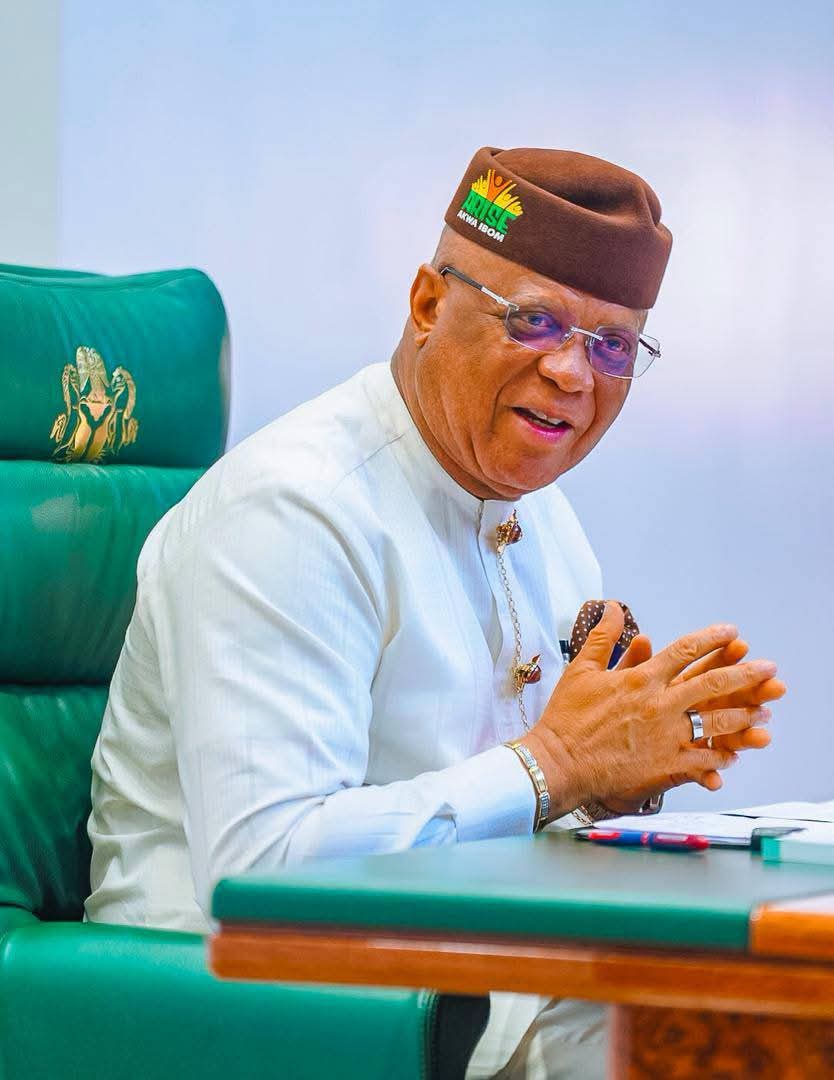
His Excellency, Pastor Umo Eno, the Governor of Akwa Ibom State
The conversations range from politics and governance to religion, social issues, and personalities. Whether these analyses are accurate or not is, however, a subject for another discussion.
On Wednesday, July 29, 2026, yours truly took a walk to visit a newspaper vendor friend, Monday, and pick up some local dailies. It was neither a rainy day nor an intensely sunny one—just the kind of weather that encouraged people to gather in friendly clusters, as is the norm around Ibom Plaza.
“Umo Eno is different… no be lie! Umo Eno is not like that. Just look at the kind of projects he is doing…” These were the words of one of the more vocal participants at a nearby newspaper stand banter session. The conversation immediately caught my attention.
With the newspapers in hand, I casually strolled to the next stand, pretending to be absorbed in an editorial while carefully listening to the debate and storing every point in my memory.
Despite the spirited exchanges and the absence of formal moderators or judges, the participants appeared to reach a common conclusion: Governor Umo Eno is indeed different.
Their argument was simple. In many states, governors are often celebrated for constructing towering buildings, expansive highways, and monumental structures that dominate the skyline. Yet, some of these projects eventually become “white elephants”—costly investments that fail to deliver meaningful and lasting benefits to the people they were intended to serve.
In this regard, President Bola Ahmed Tinubu, GCFR, echoed a similar sentiment on Thursday, July 30, 2026, when he urged state governors to stop constructing flyovers in areas with minimal traffic and instead channel their significantly increased federal allocations toward road networks that improve living standards and provide security agencies with better access to rural communities.
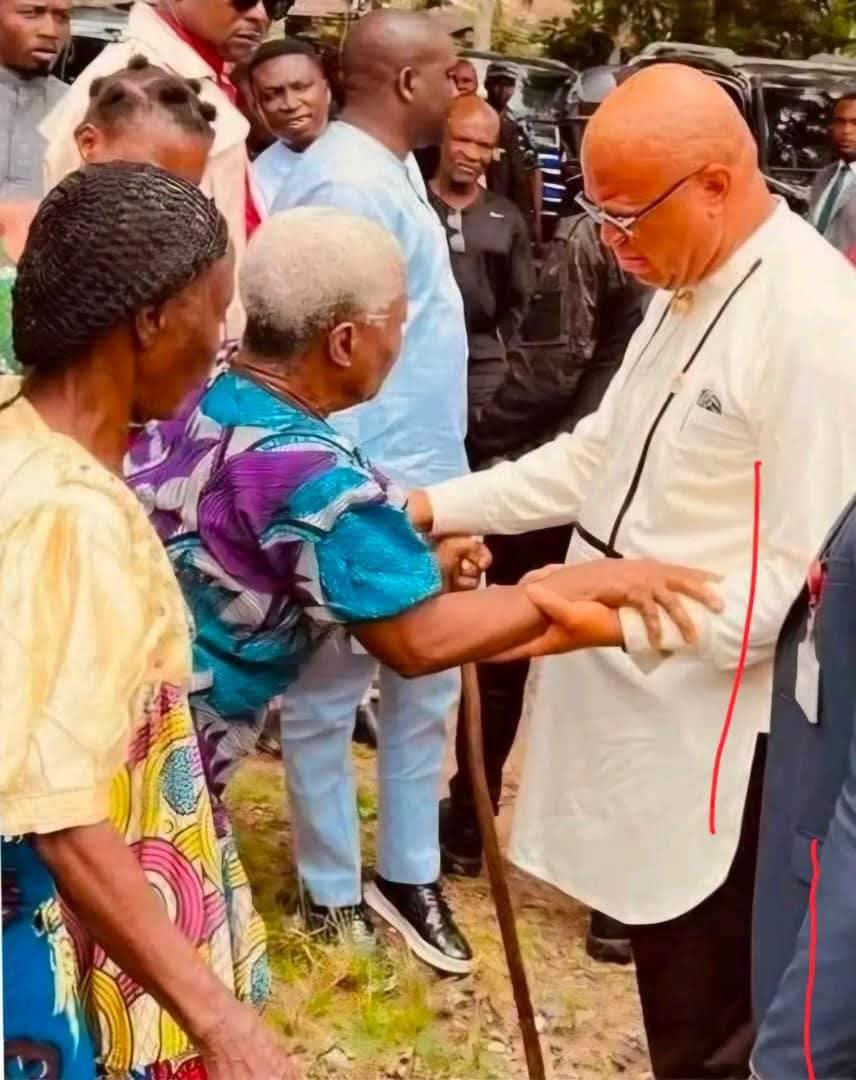
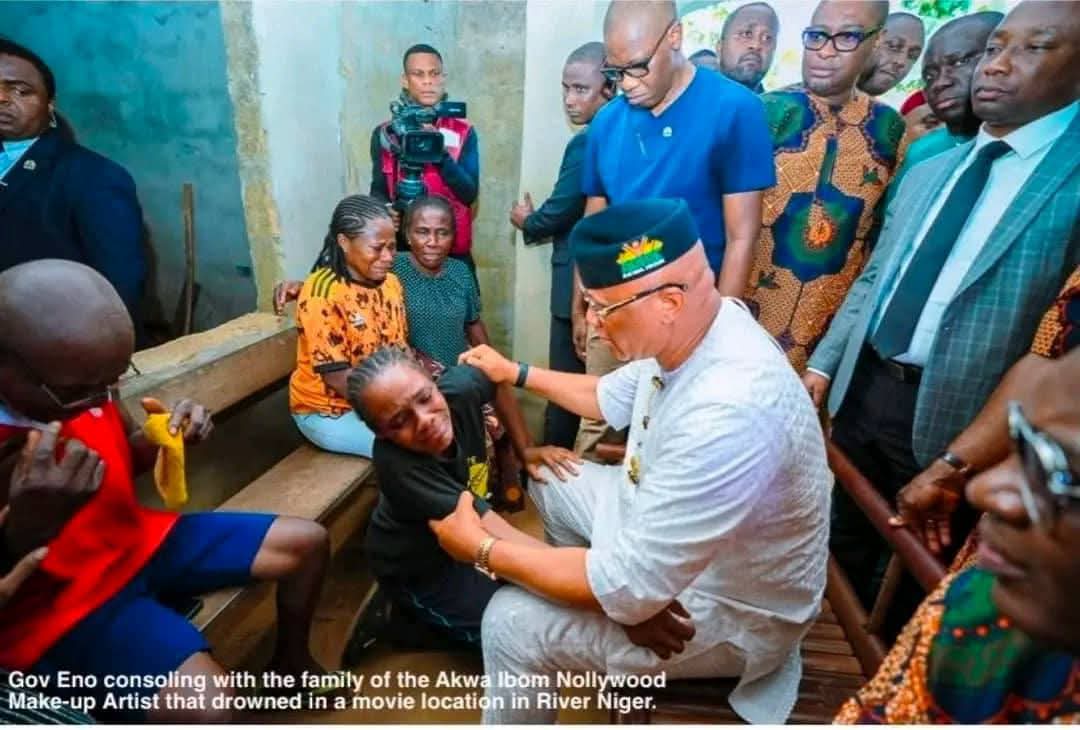
For Governor Eno, governance appears to be more than concrete and asphalt. It is measured by improvements in the quality of people’s lives rather than by the size or grandeur of physical monuments.
While some administrations pursue gigantic legacy projects that may have little direct impact on ordinary citizens, Governor Eno appears to have identified the people themselves as his legacy project.
His administration has consistently prioritized agriculture, rural development, infrastructure, education, healthcare, and economic empowerment as key pillars of its development agenda.
It has also cultivated a public image centred on community engagement, peaceful politics, continuity of beneficial projects from previous administrations, and expanded support for farmers, small businesses, and youth entrepreneurship.
Through the ARISE Agenda, the Governor has consistently projected a philosophy of governance that recognizes human capital as the greatest asset of any society.
The agenda combines investments in agriculture, rural development, education, healthcare, economic growth, security, and infrastructure with deliberate effort to create opportunities for citizens to thrive.
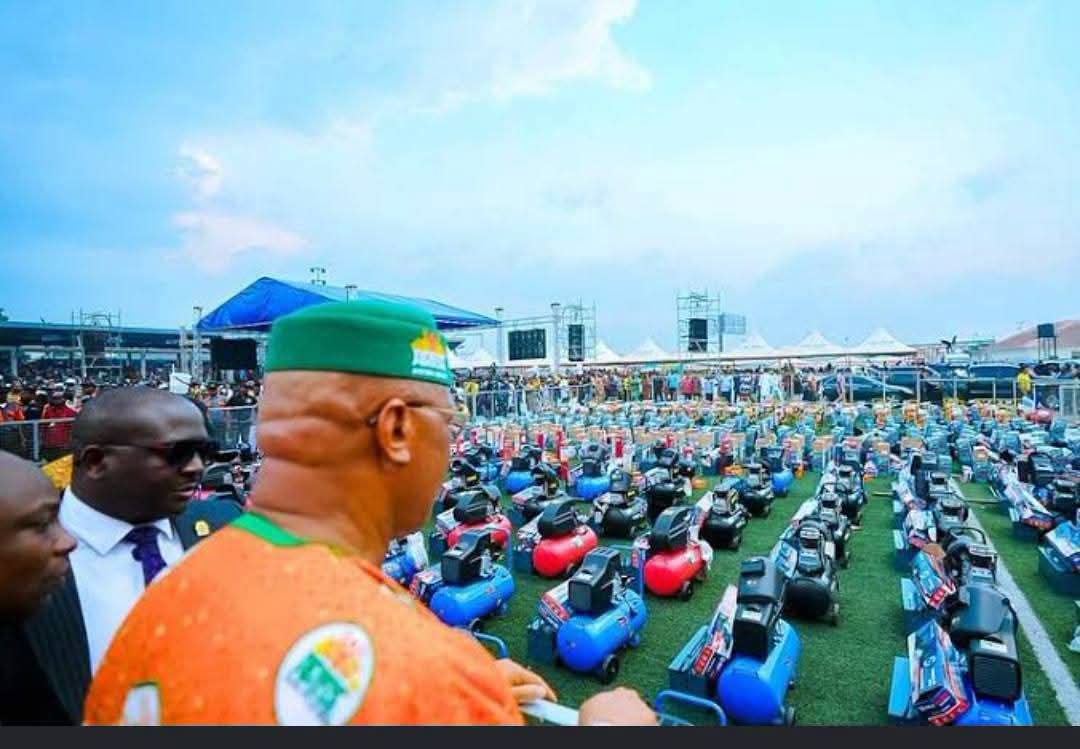
In just over three years, one of the administration’s flagship human capital development initiatives—the Entrepreneurship Accelerator Programme (EAP), implemented through the Ibom Leadership and Entrepreneurial Development Centre (Ibom-LED)—has trained 1,700 beneficiaries and disbursed grants exceeding ₦1.075 billion across the State.
Similarly, under the ARISE Local Government Area MSME Grant Scheme, designed to support grassroots small and medium-scale enterprises, 62 beneficiaries have received grants totaling ₦310 million.
Most recently, the State Executive Council approved ₦31 billion for an economic empowerment programme expected to benefit 165,912 people across the 31 Local Government Areas of Akwa Ibom State.
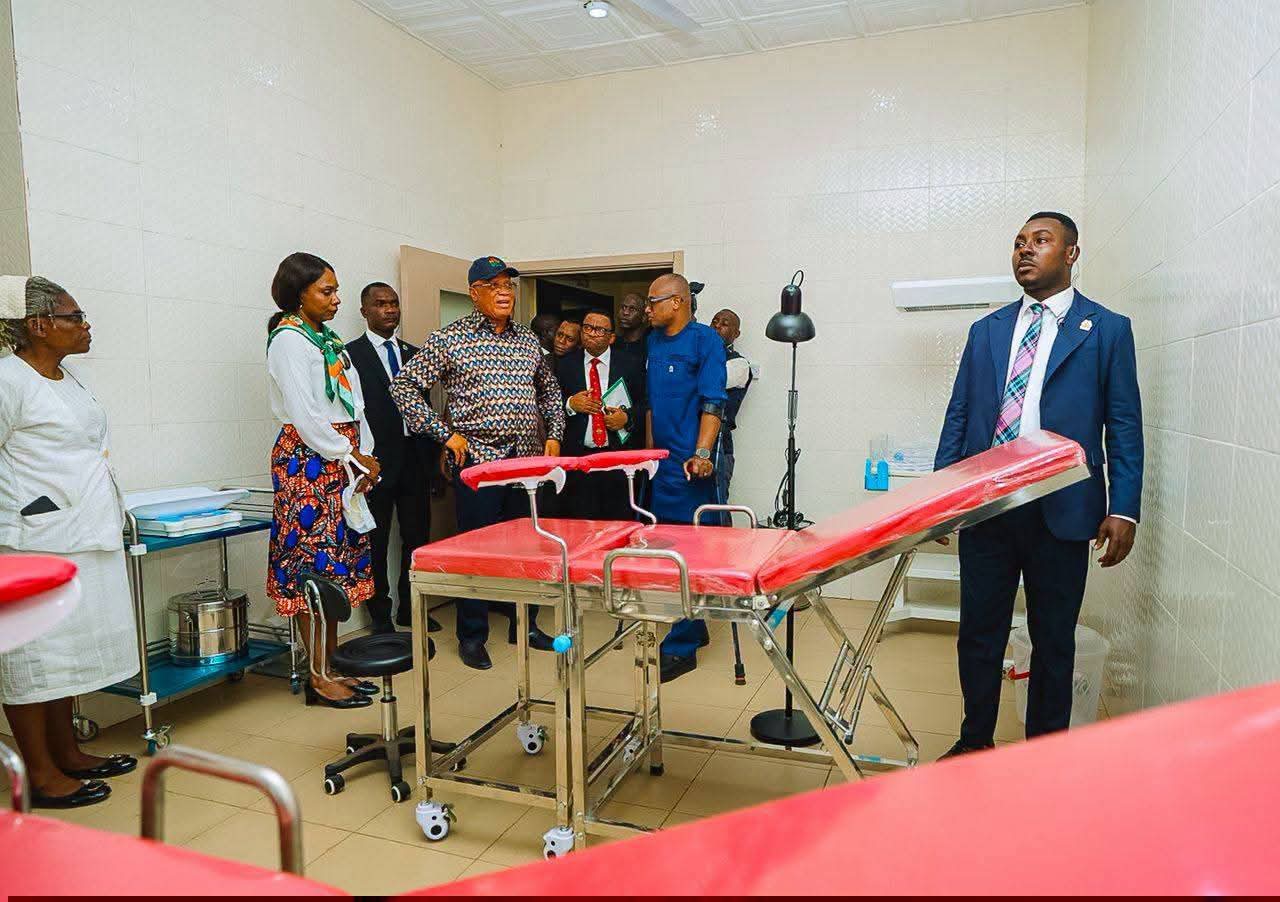
Beyond entrepreneurship, the administration has completed and handed over more than 450 Compassionate Homes to vulnerable beneficiaries, each accompanied by an empowerment grant of ₦500,000. Model primary schools and primary healthcare centres have also been completed and put into use across almost all local government areas.
In addition, over 876,000 households have benefited from the ARISE Free Food Initiative, designed to cushion the effects of the prevailing economic hardship.
The students community is not left behind. The Governor recently approved an increase in the state bursary award from ₦20,000 to ₦50,000 per beneficiary as part of efforts to ease the financial burden on students and expand access to quality education.
The Governor approved the release of ₦1.3 billion for the payment of bursaries to eligible students across the state, as well as ₦1.968 billion for the payment of examination fees for students in public basic and secondary schools across the state.
Similarly, Corps members serving in the State as well as all indigenous corps members serving in any state across the country receive a monthly allowance of N20,000 from the state government, in addition to the one from the federal government. Before now, the Akwa Ibom government used to pay N5,000 to the corps members, while the allowance for indigenous corps members is unprecedented in the history of the country.
This approach reflects the belief that investing in education, skills development, entrepreneurship, healthcare, and support for small businesses creates more sustainable economic growth than projects that merely generate headlines without producing long-term value.
This is not to suggest that infrastructure has been neglected. Roads, public facilities, healthcare centres, and educational institutions remain important components of the administration’s development strategy under the ARISE Agenda. Rather, the emphasis is on ensuring that infrastructure serves people, promotes productivity, and enhances economic development instead of existing merely as monuments.
This philosophy, according to political analysts, represents a shift from measuring progress solely by visible construction projects to evaluating how government policies improve people’s lives. They point to investments in education, healthcare, workers’ welfare, agriculture, youth development, and entrepreneurship as evidence of a governance model that seeks lasting social and economic impact.
Whether one agrees with every policy or not, the growing conversation in public spaces such as Ibom Plaza suggests that many people increasingly assess leadership not only by the structures erected but by the opportunities created, the lives touched, and the lasting value delivered to the people.