
OPINION
Reuben Abati should have returned to Print Media rather than Television – Sammy Etuk

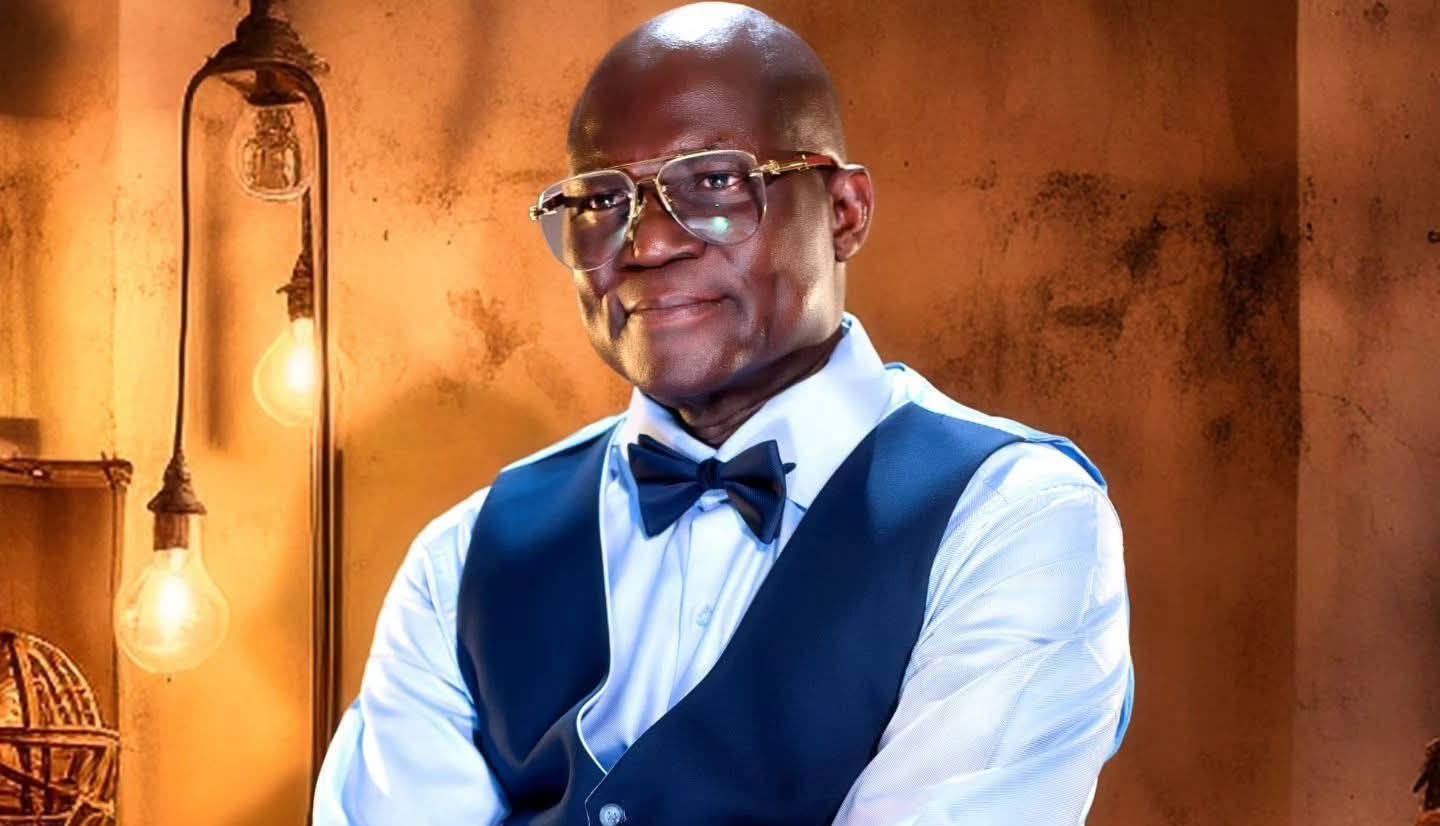
Reuben Abati should have returned to Print Media rather than Television – Sammy Etuk
I know Reuben Abati to have been very good at print journalism before he later metamorphosed into the spokesperson for President Goodluck Jonathan. After his stint as presidential spokesperson, I honestly believe he should have returned to the print media rather than television, where he sometimes comes across as playing the role of a headmaster to his fellow presenters.
As a television presenter, what I find particularly strange is his fixation on being addressed with the prefix “Dr.” In journalism, especially in the context of television presentation, the academic title of a presenter is hardly relevant. The focus should be on the content, professionalism, questioning skills, and ability to engage the audience, not on insisting that viewers and colleagues continually acknowledge an academic title.
There is nothing wrong with holding a doctorate, but a good journalist does not need the title “Dr.” to establish authority. On television, credibility should come from the quality of the journalism, not from the prefix before one’s name.
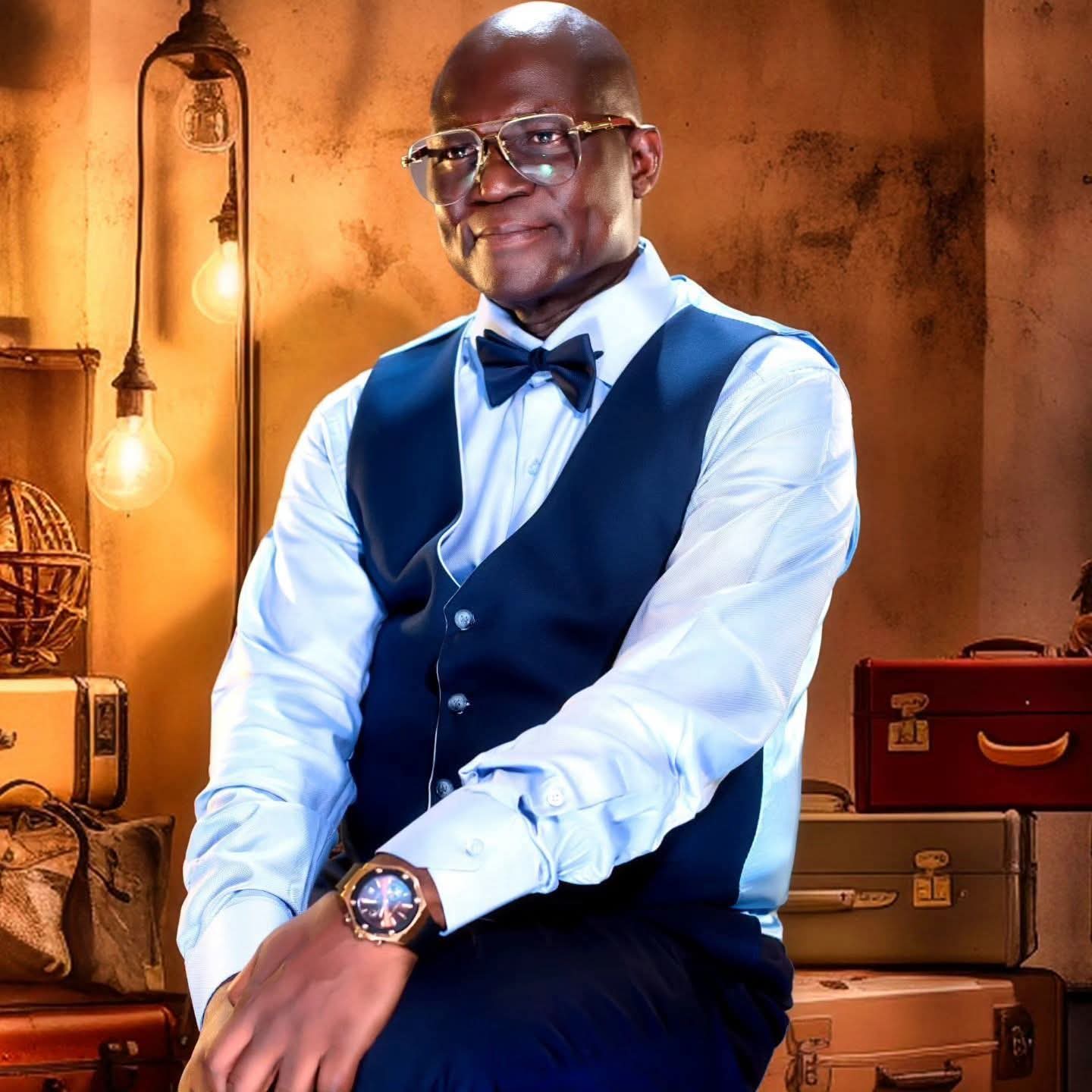
Reuben Abati
Abati also comes across, at times, as a bully who scolds his colleagues on live television. I recall an instance where he reprimanded a correspondent for addressing him by his first name during a live broadcast. More recently, he got into an altercation with Rufai during a live programme. Rufai’s “offence” was stating what many consider to be obvious: that Senator Sandy Onoh is Wike’s puppet and that the PDP presidential ticket he holds is ultimately at the pleasure of Wike, who has insisted that the PDP cannot win the presidential election and has declared his support for Tinubu.
Lere Olayinka, Wike’s loquacious spokesperson, has consistently expressed the same position across several print and electronic media platforms. So, where exactly did Rufai go wrong?
Abati sometimes holds himself out on television as an all-knowing reservoir of knowledge, a position I know is not true. The most intelligent person, after all, is the one who recognises that he does not know everything.
These actions, particularly when directed at fellow co-anchors in the presence of millions of viewers, set a terrible precedent. They undermine collegiality and can inadvertently diminish the authority of presenters generally. It is therefore hardly surprising that some television guests feel emboldened to talk down to presenters in the studio during live programmes.
I am not against correcting a colleague who goes off-line or gets something wrong. Far from it. But there is a time and place for such corrections. A colleague can be quietly corrected during a commercial break or taken aside after the programme. Publicly scolding a fellow presenter before a live audience is unnecessary and, in my view, unprofessional.
Television presentation requires authority, but authority is not the same thing as intimidation. The strongest presenter is not necessarily the one who dominates the studio; it is the one who can command respect while allowing others to retain their dignity.